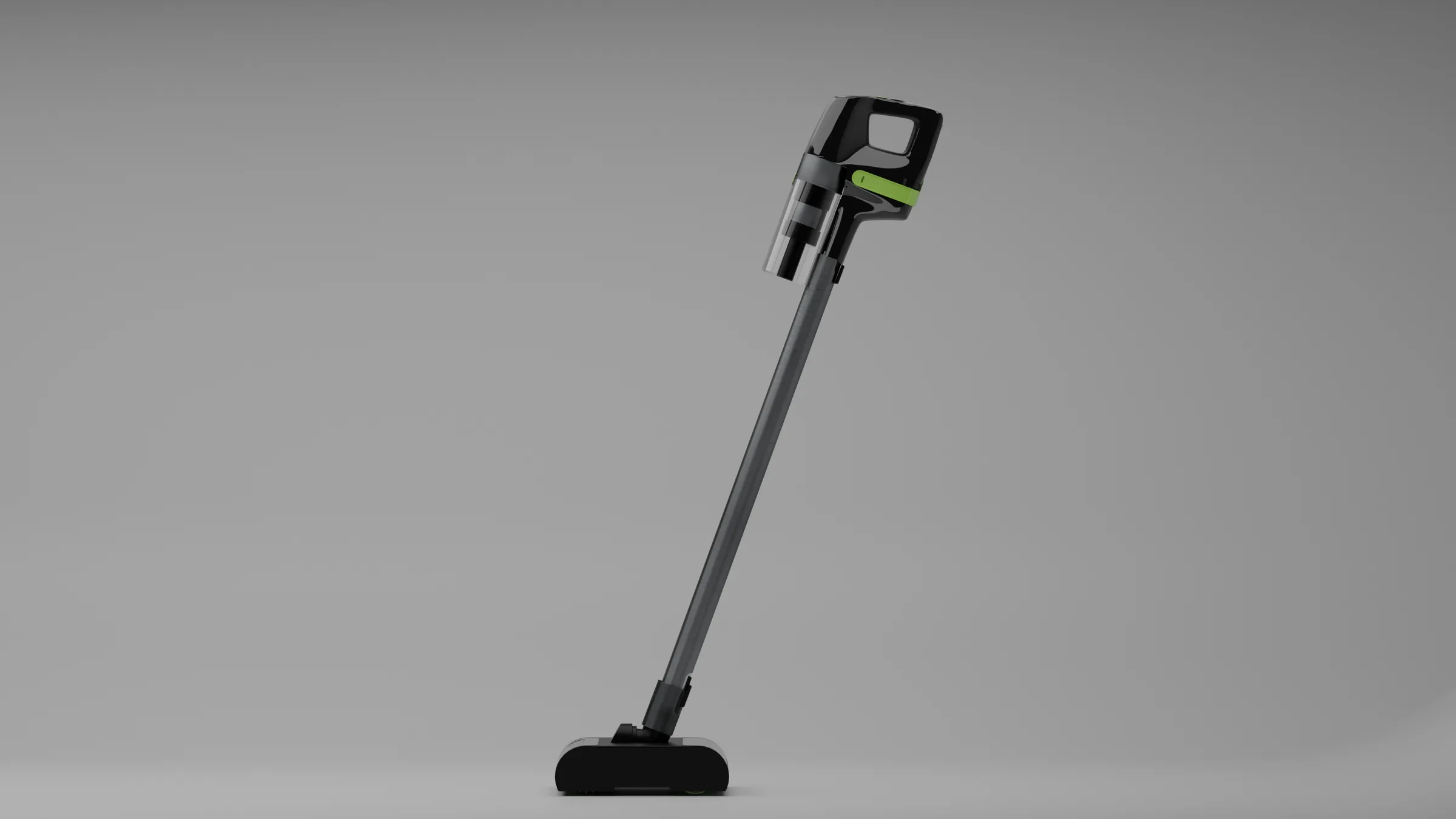
04
Braun Vacuum/Mop
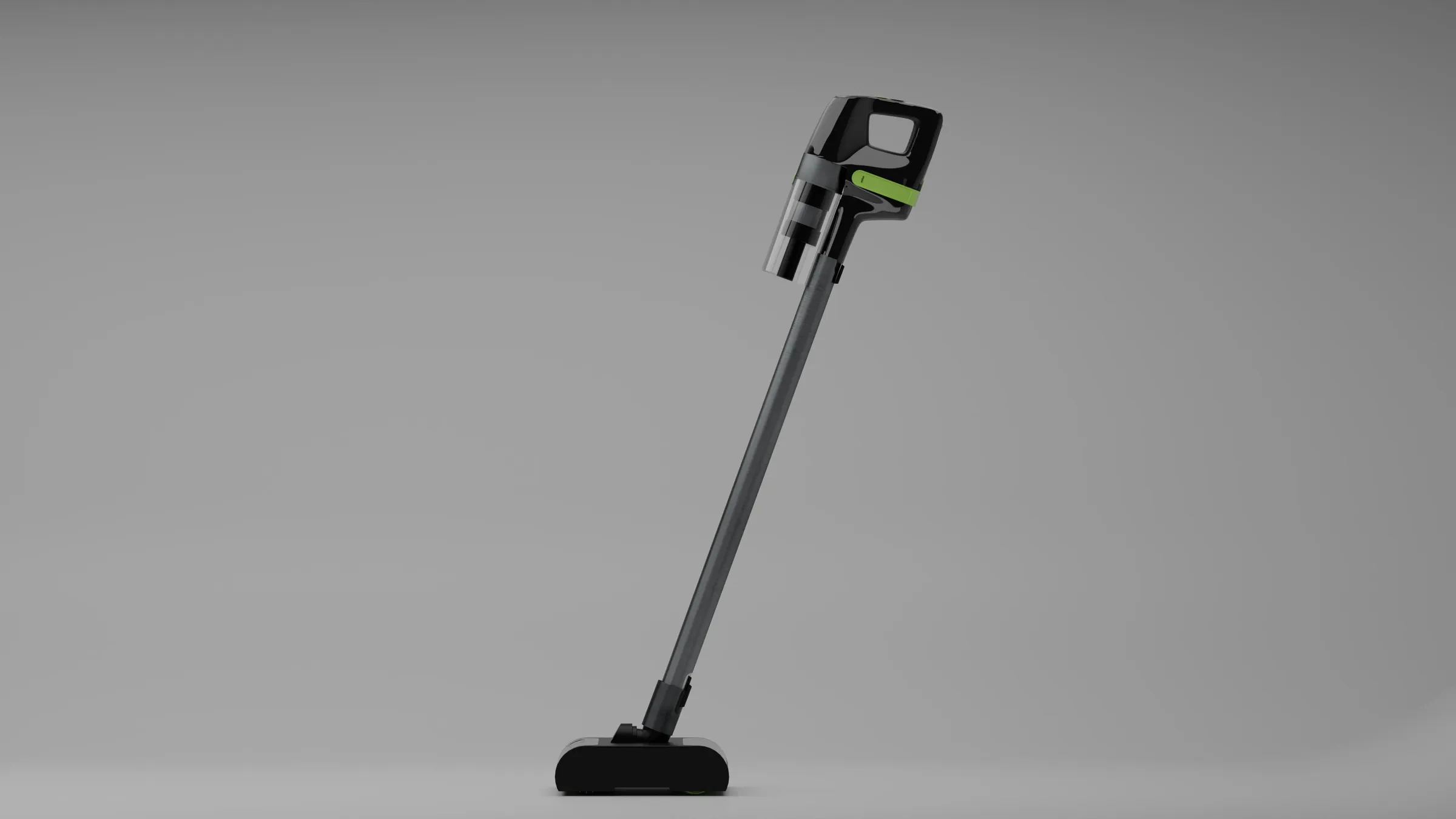
Repairable vacuum and mop combination for Braun
Phase 1: reframing (group) · Phase 2: individual
A repairable cleaning solution designed as a mop-vacuum combination for hardwood and carpet cleaning, prioritising sustainability and user convenience.
01Brief
“Invent and design an electric Braun cleaning product which supports you cleaning your home.”
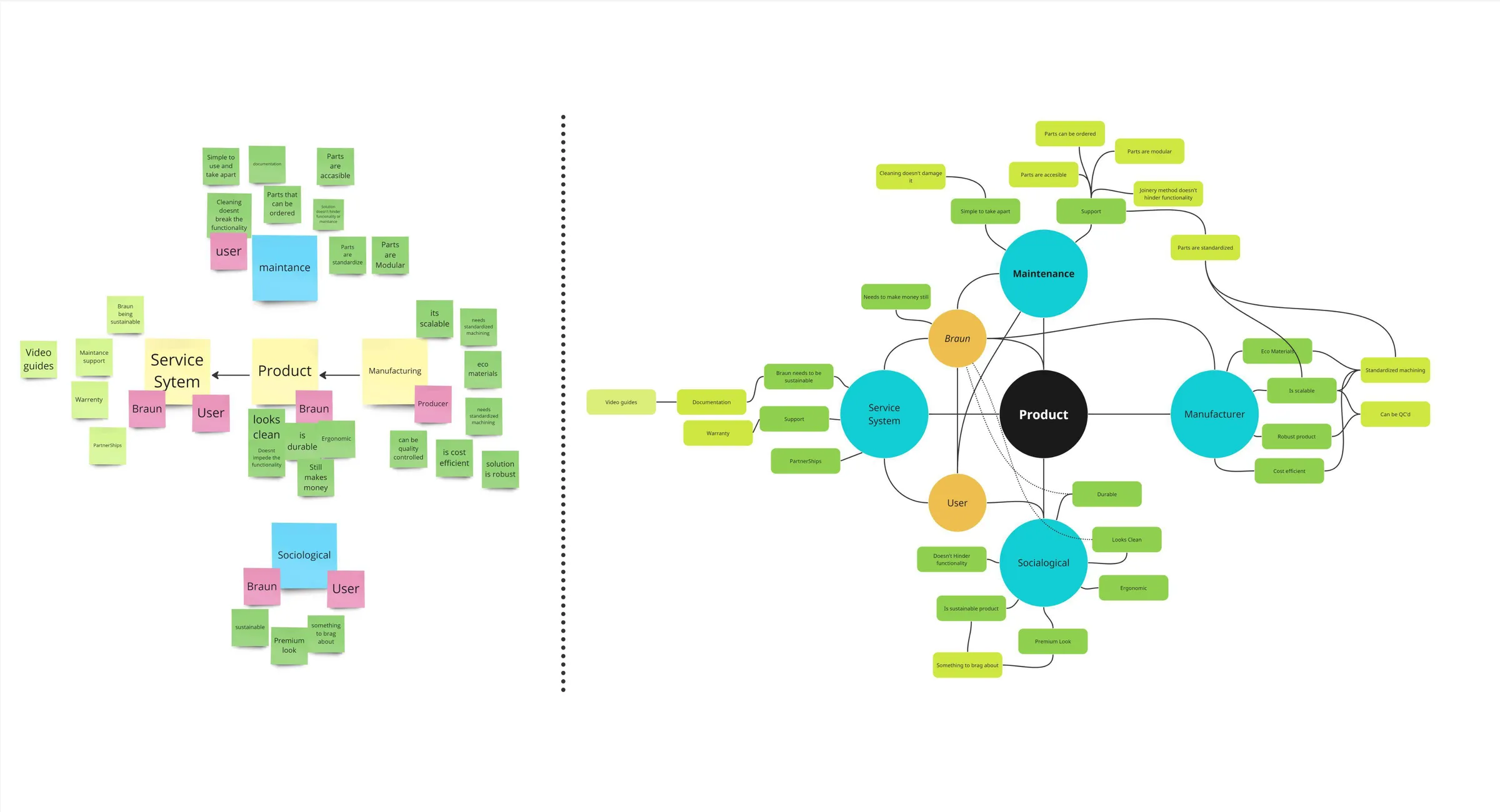
In co-design sessions our group reframed challenges across the cleaning industry, identifying problems and trends such as e-waste, user accessibility and upcoming EU regulations. My focus was sustainability and repairability, which became the foundation for my individual project.

02Research
Why repairability?
- 1 · A natural fit for BraunBraun's commitment to simplicity, durability and timeless design suits repairability. Easier repairs extend a product's life and reduce the need for replacement.
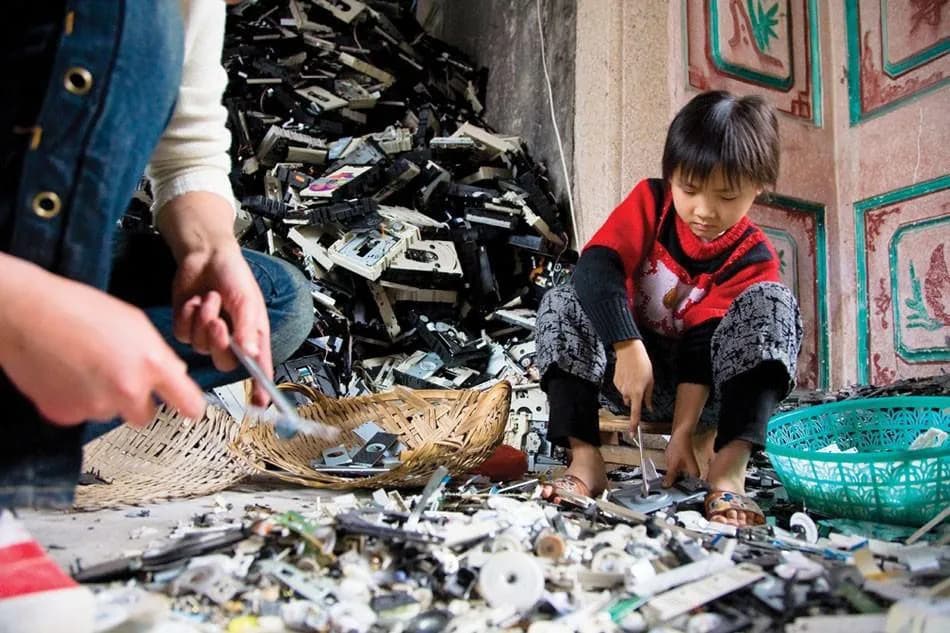
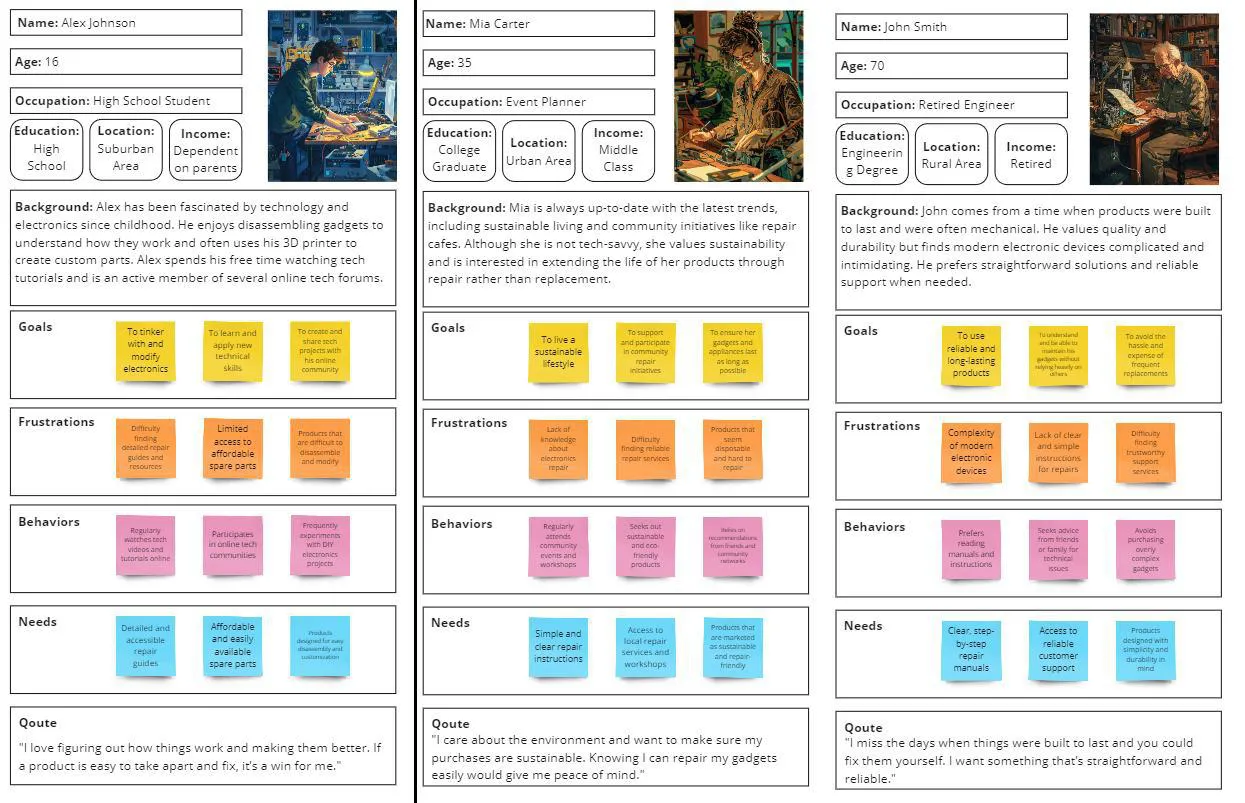
- 2 · E-waste is a growing crisisMuch of it ends up in countries like China, where informal recycling exposes workers, sometimes even children, to harmful substances.
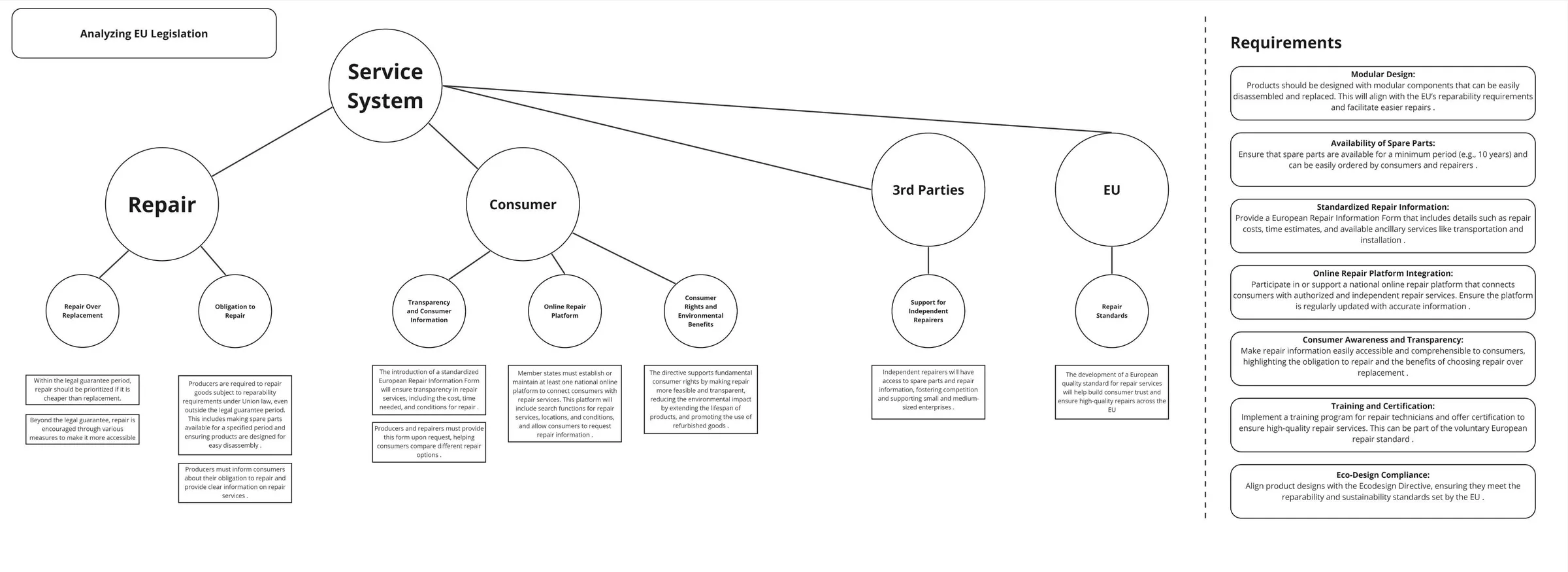
- 3 · The law is comingEU Right to Repair legislation will require spare parts and repair information for consumers. Embracing it now lets Braun lead in sustainable design.
03Interviews
The snap-fit problem.
“Snap fits are found everywhere along the sides of TVs. They are great if you want to keep a device looking aesthetic compared to something like screws, but I break them quite often.”
Tech enthusiast, TV repairer
04Key challenges
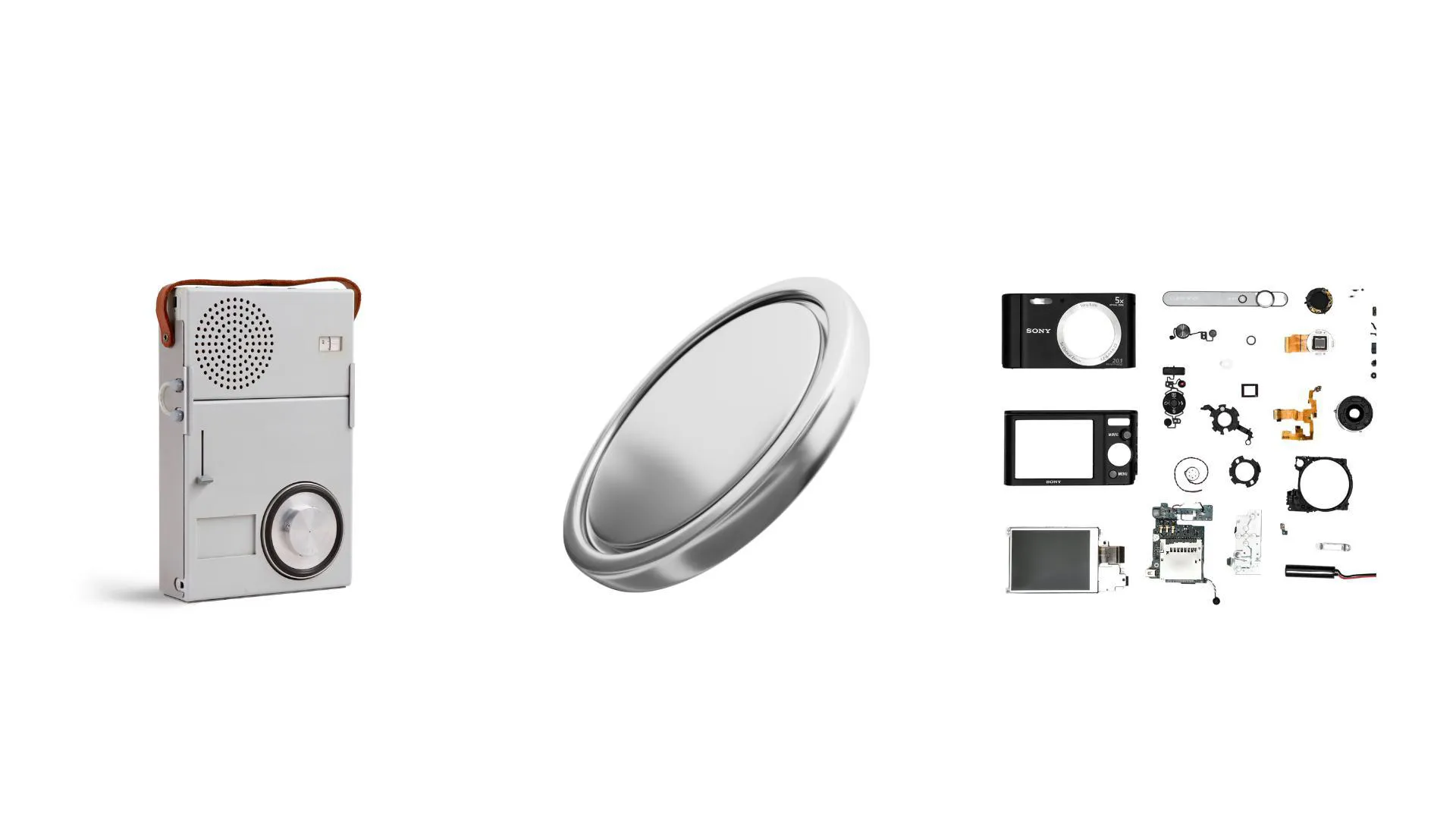
Repairable, without compromise.
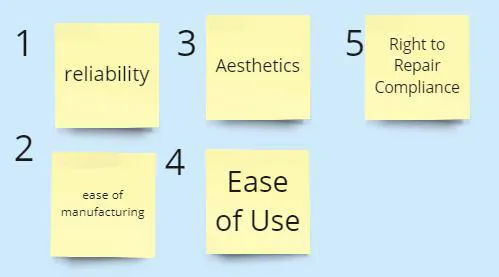
- AestheticsMaking a product repairable without compromising aesthetics.
- PriceWithout increasing price or significantly reducing revenue.
- Ease of useEasy enough to repair to lower the “barrier to entry”.
05Converging
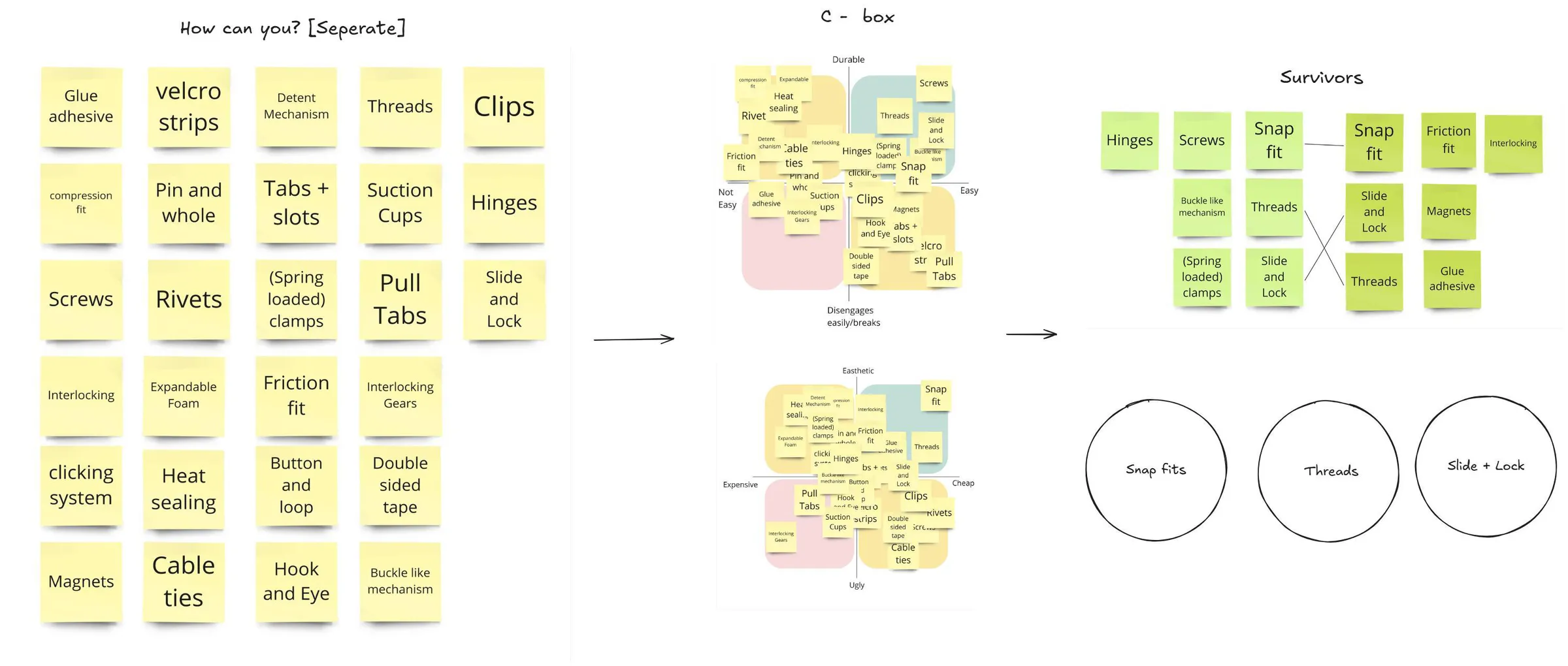
How can you separate it?
Every way of joining parts, from glue and rivets to clips and threads, was clustered and filtered until three survivors remained: snap fits, threads and slide-and-lock.
06Concept
Hiding in plain sight.
Snap fits make for visually appealing products, but opening them usually takes prying tools. Like an animal camouflaged in its surroundings, the access points should be there, just not noticeable.
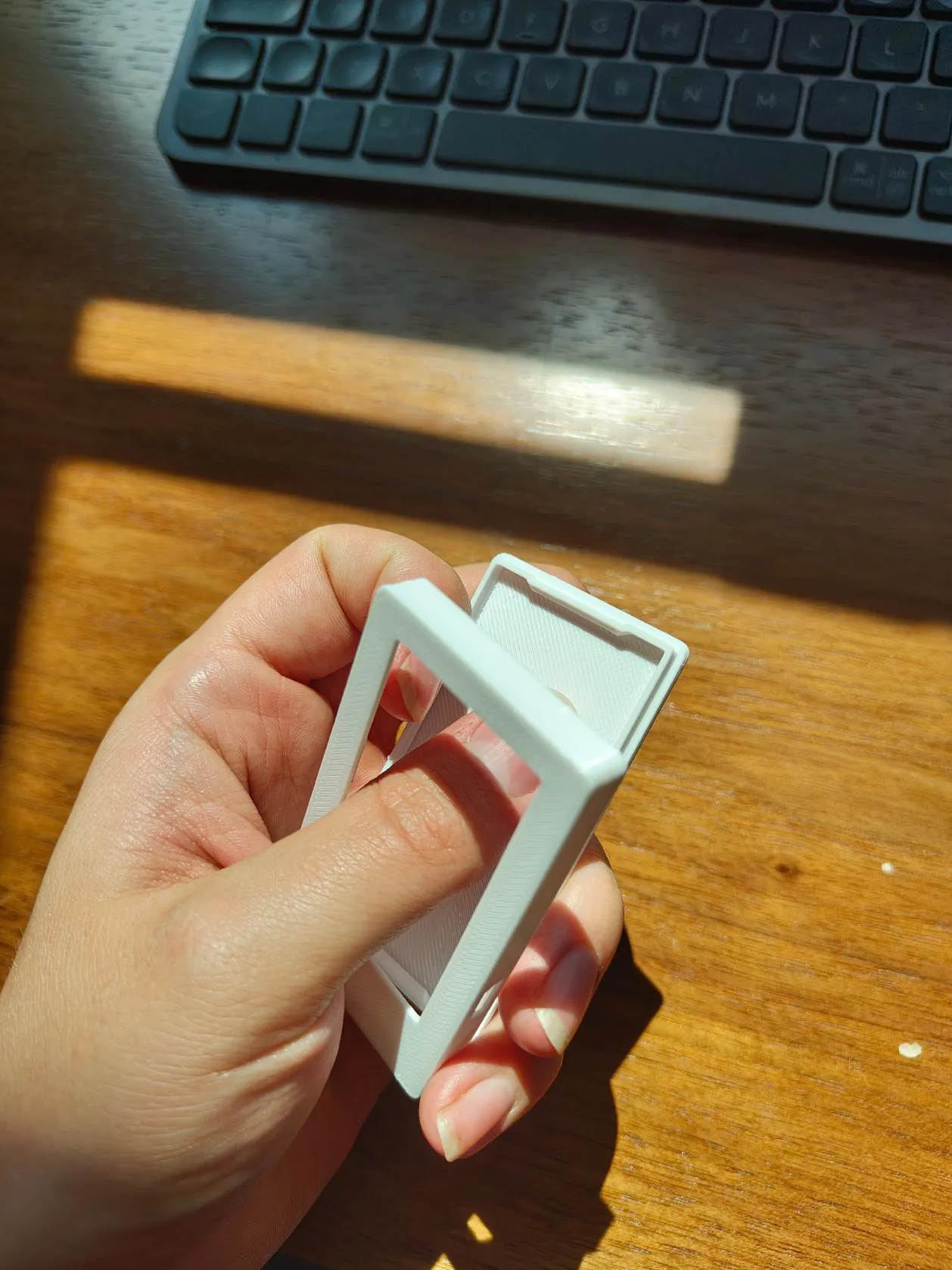
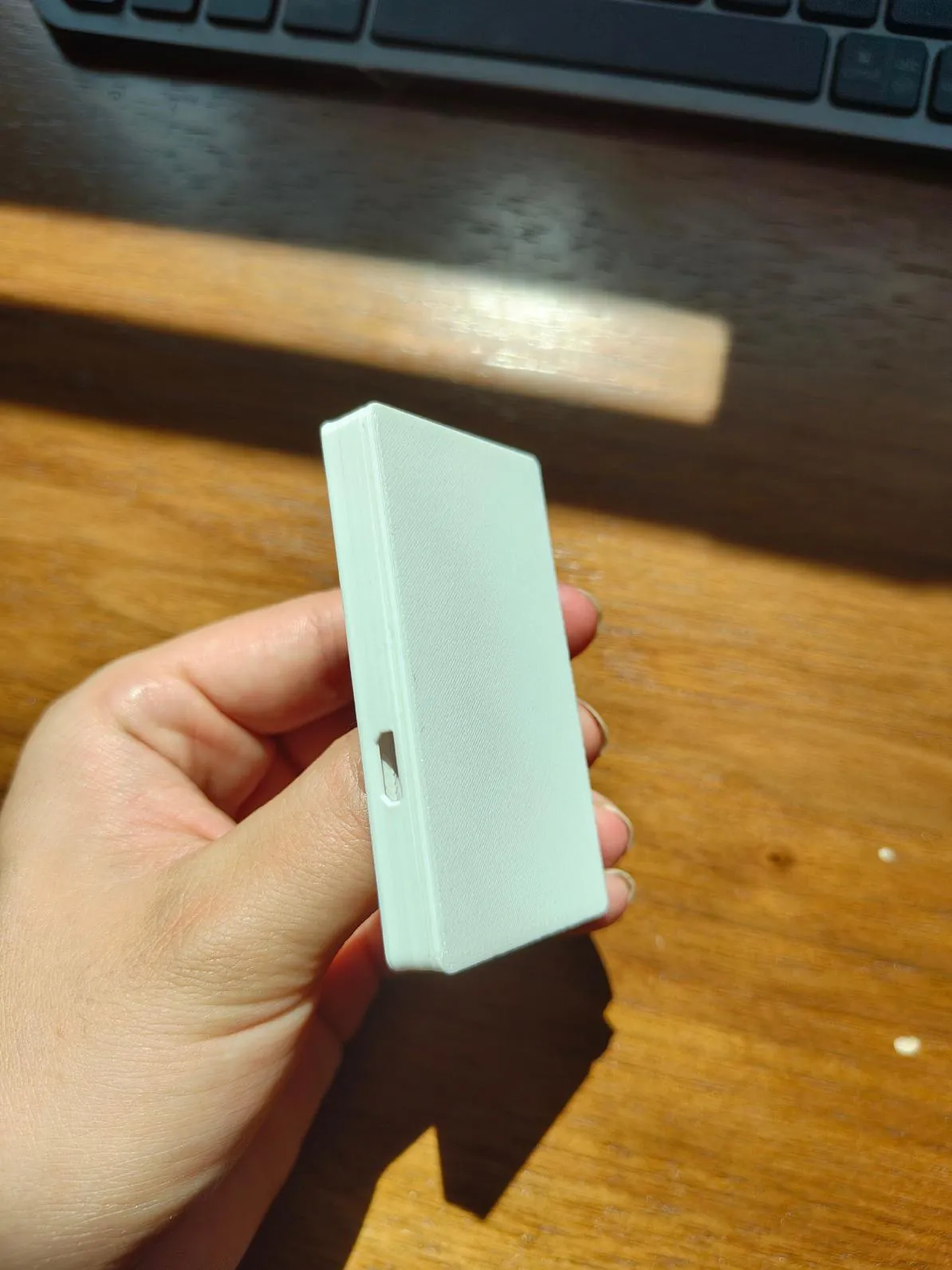

Pattern hiding
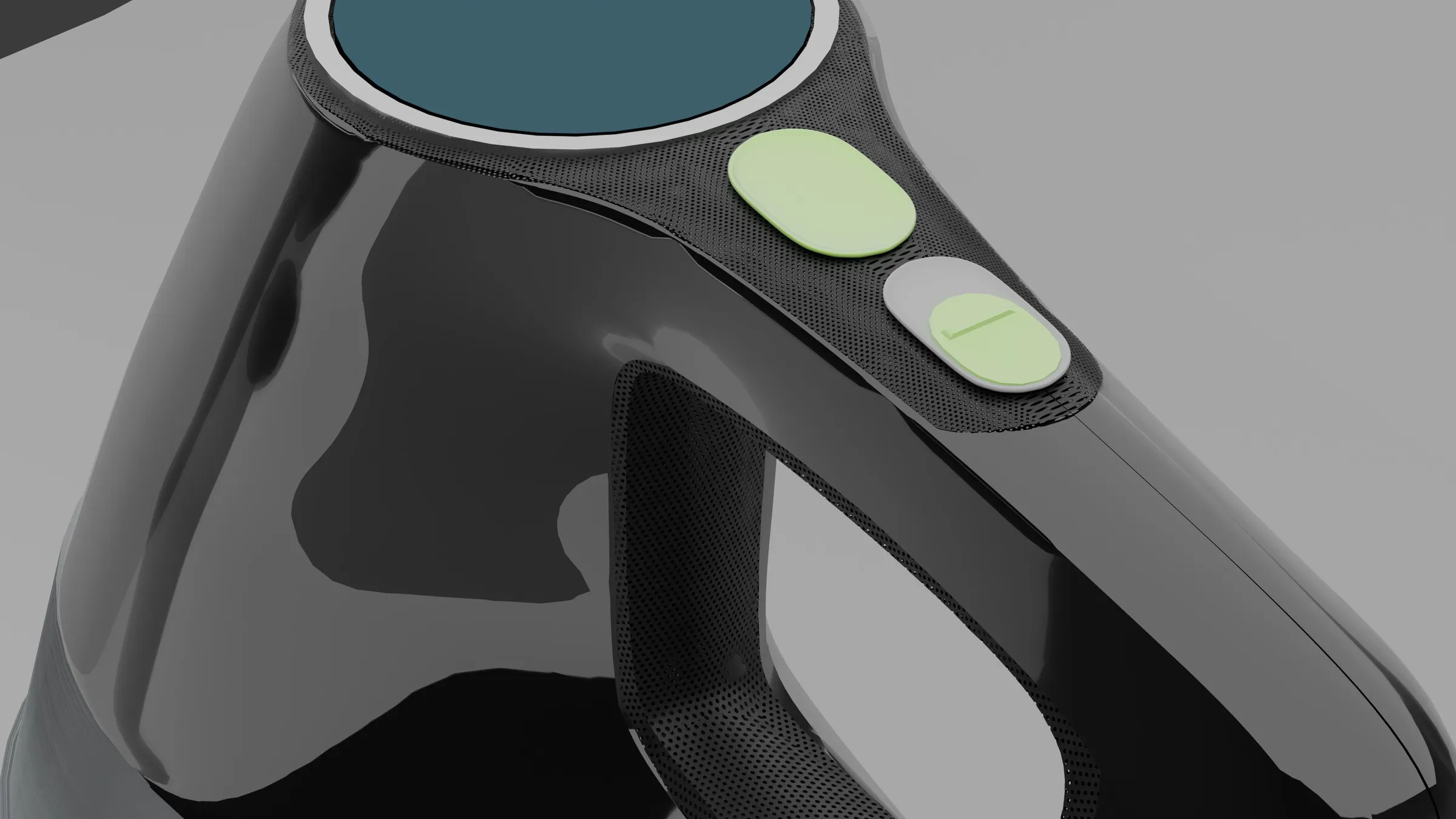
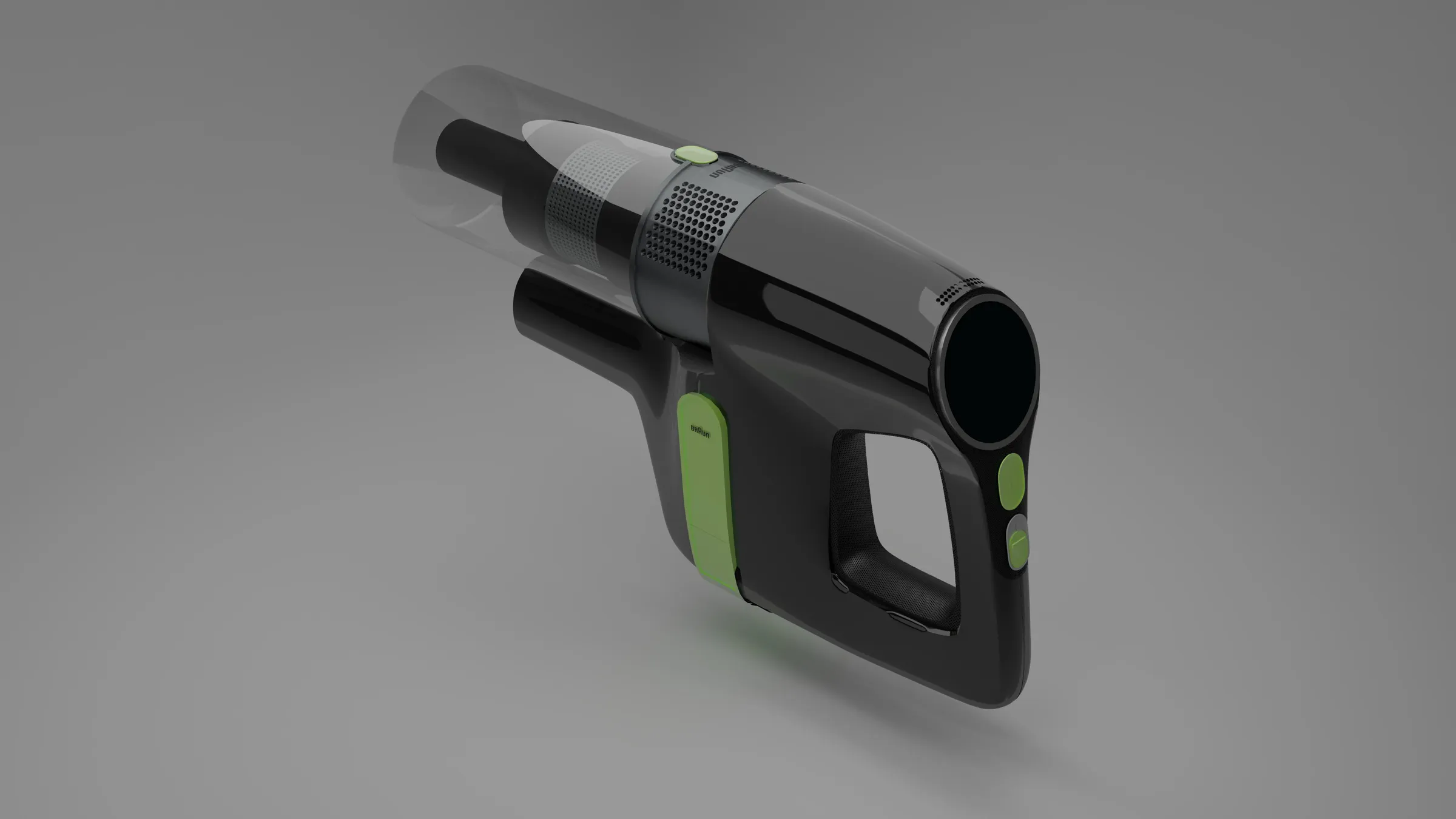
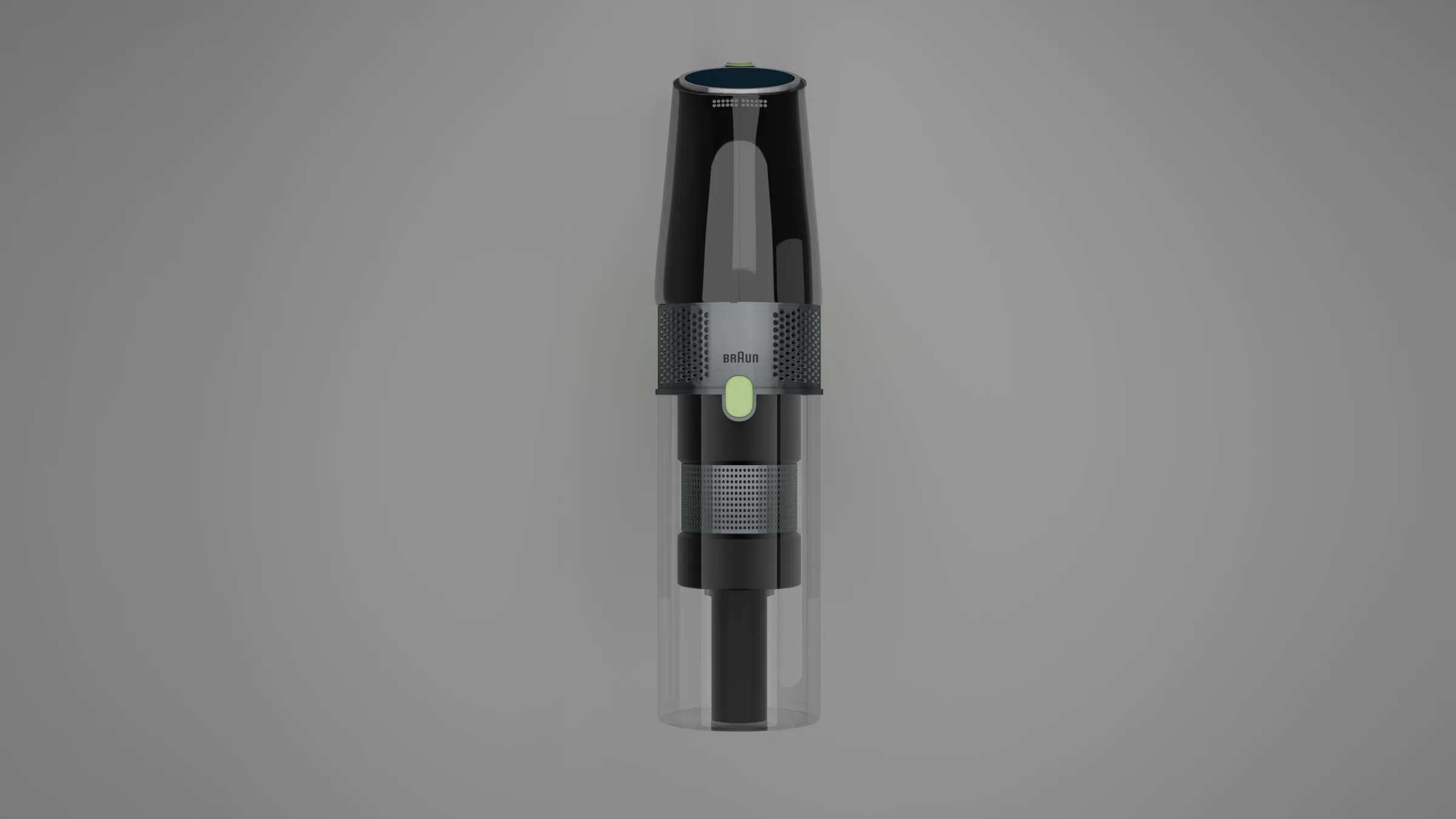
Braun products are full of hole patterns: speaker grilles, vents, dotted textures. Blend the access holes into one of those patterns and they disappear. Hover the grille to find them.
07The Braun Pin
One tool, two pins.
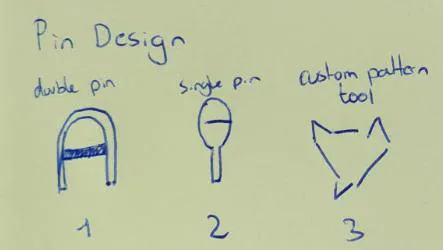
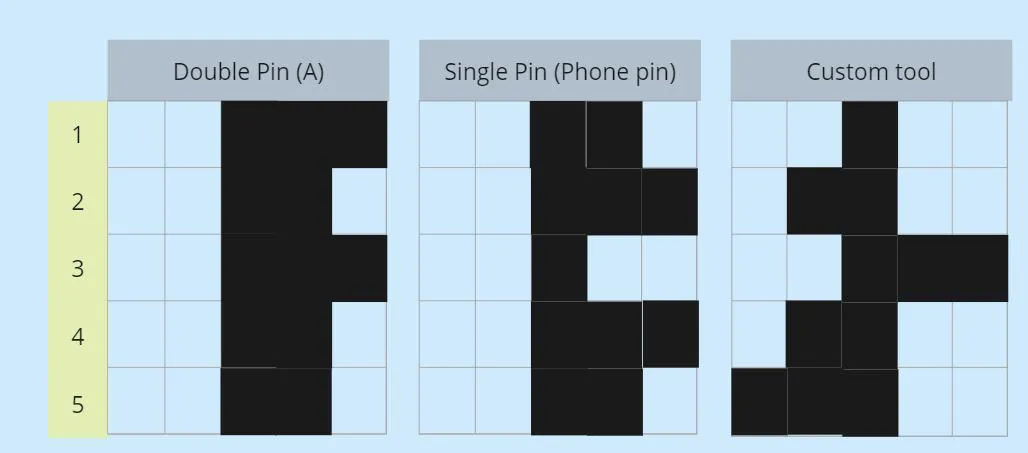
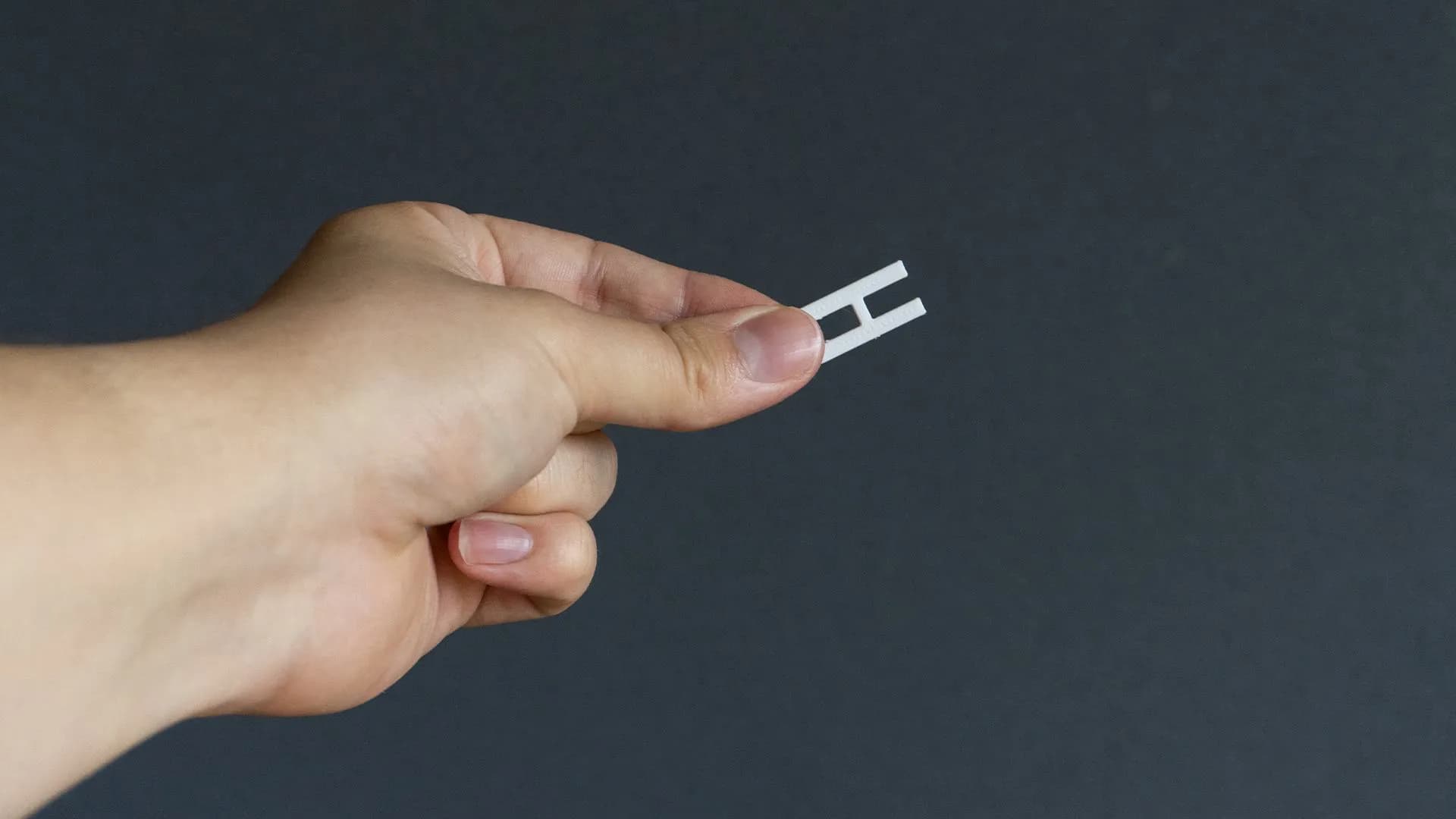
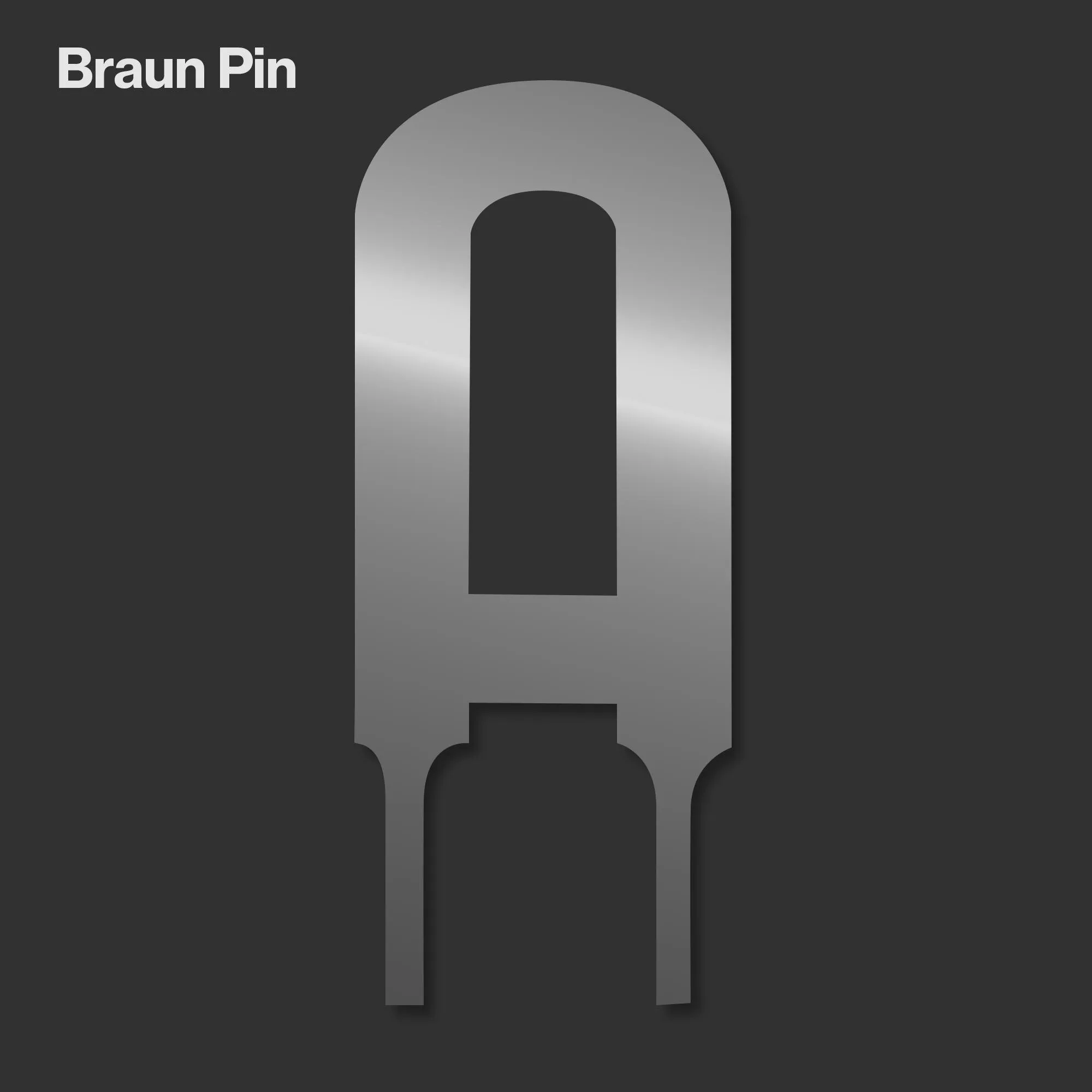
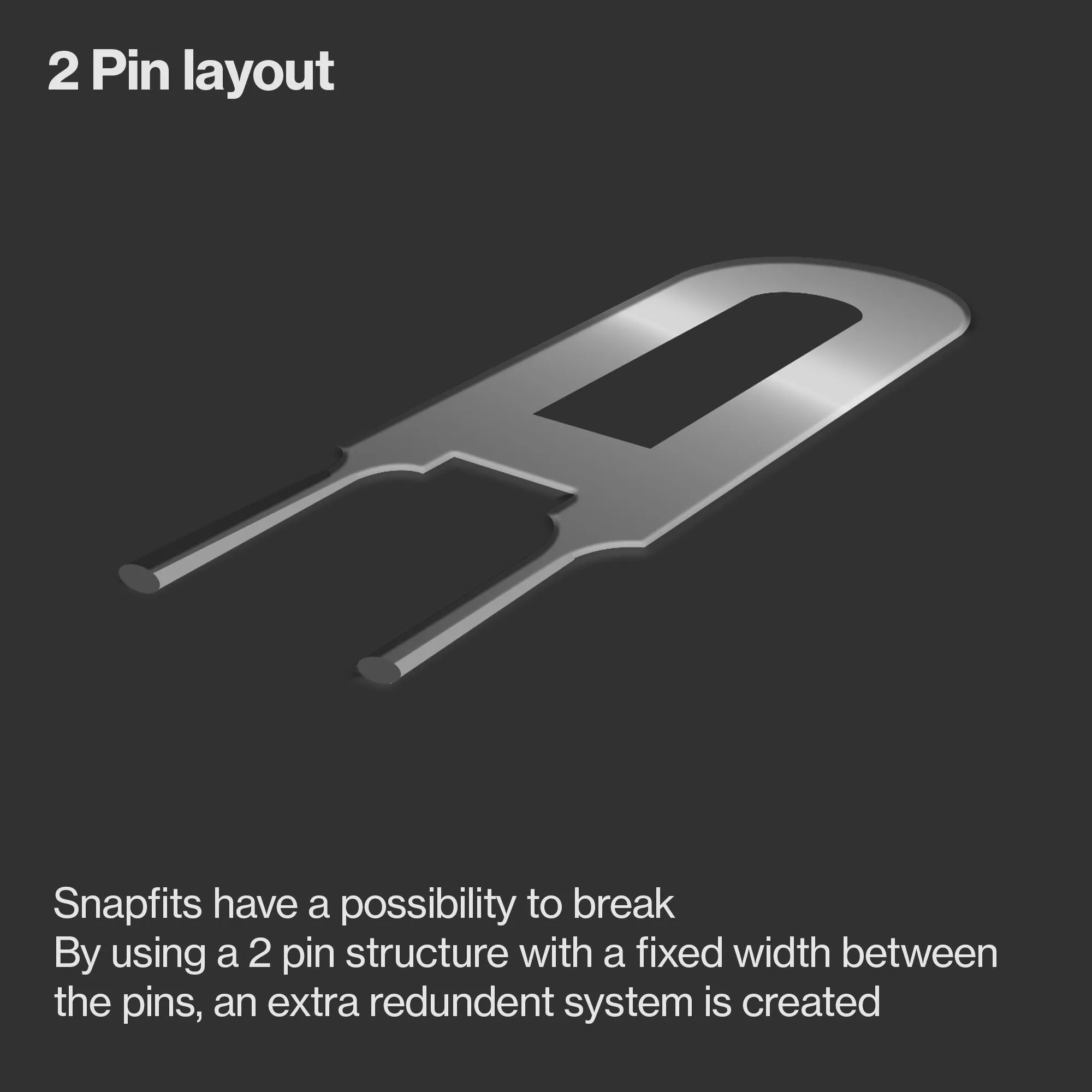
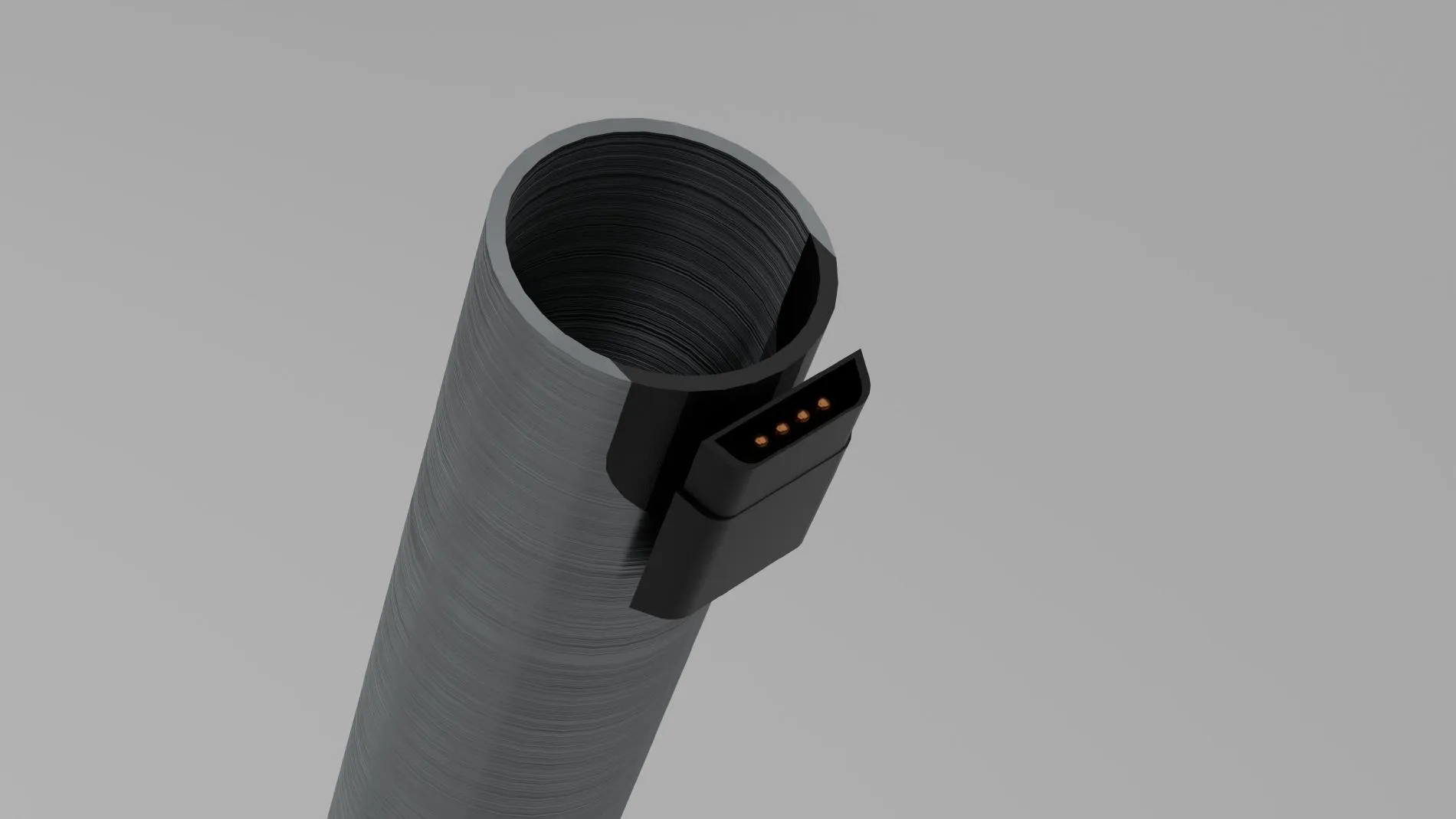
Snap fits can break. With a two-pin structure at a fixed width, the pin creates an extra, redundant system: both legs go through the pattern and release the snap fits from the inside.
08Implementation
Where it belongs.
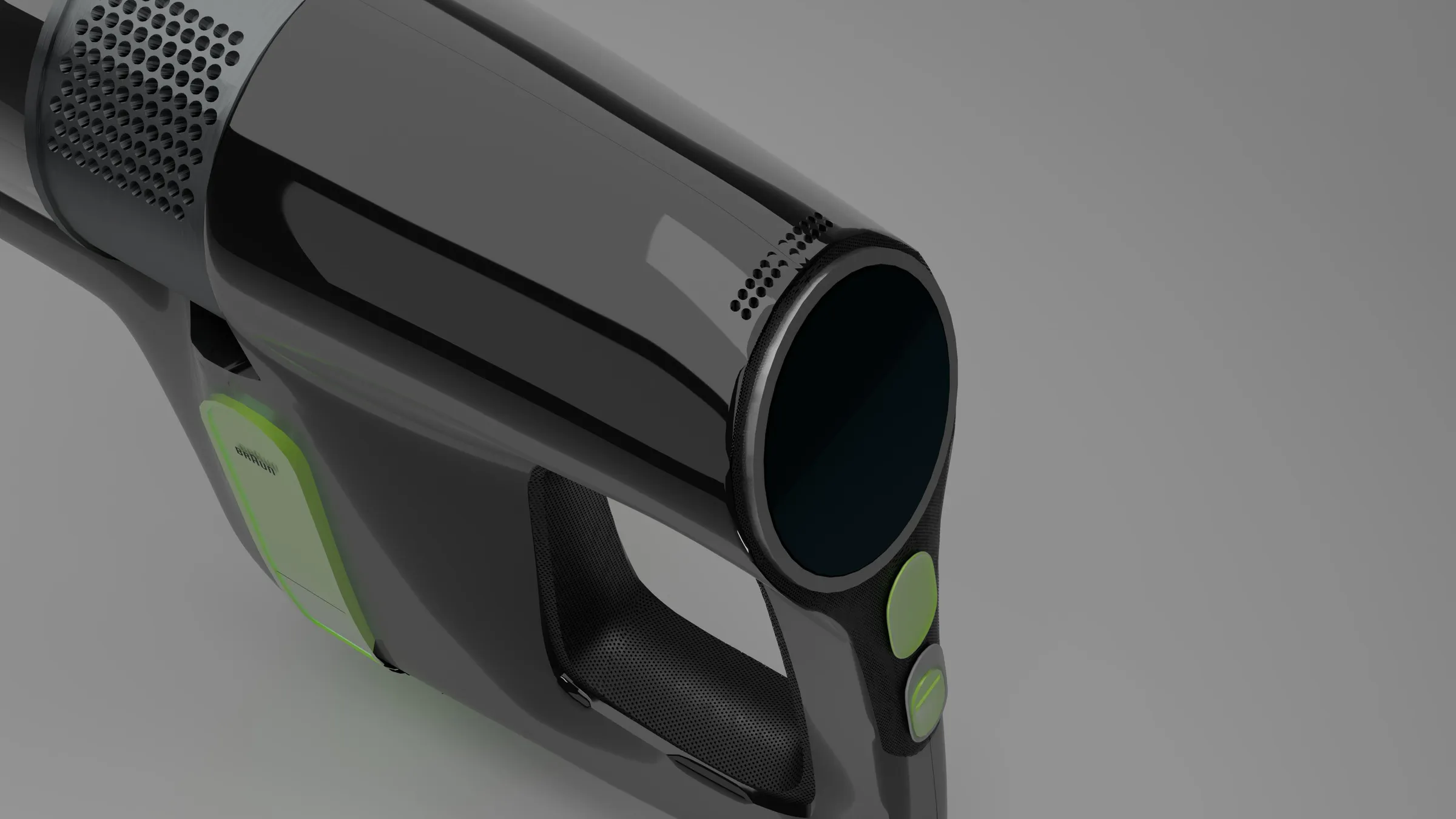
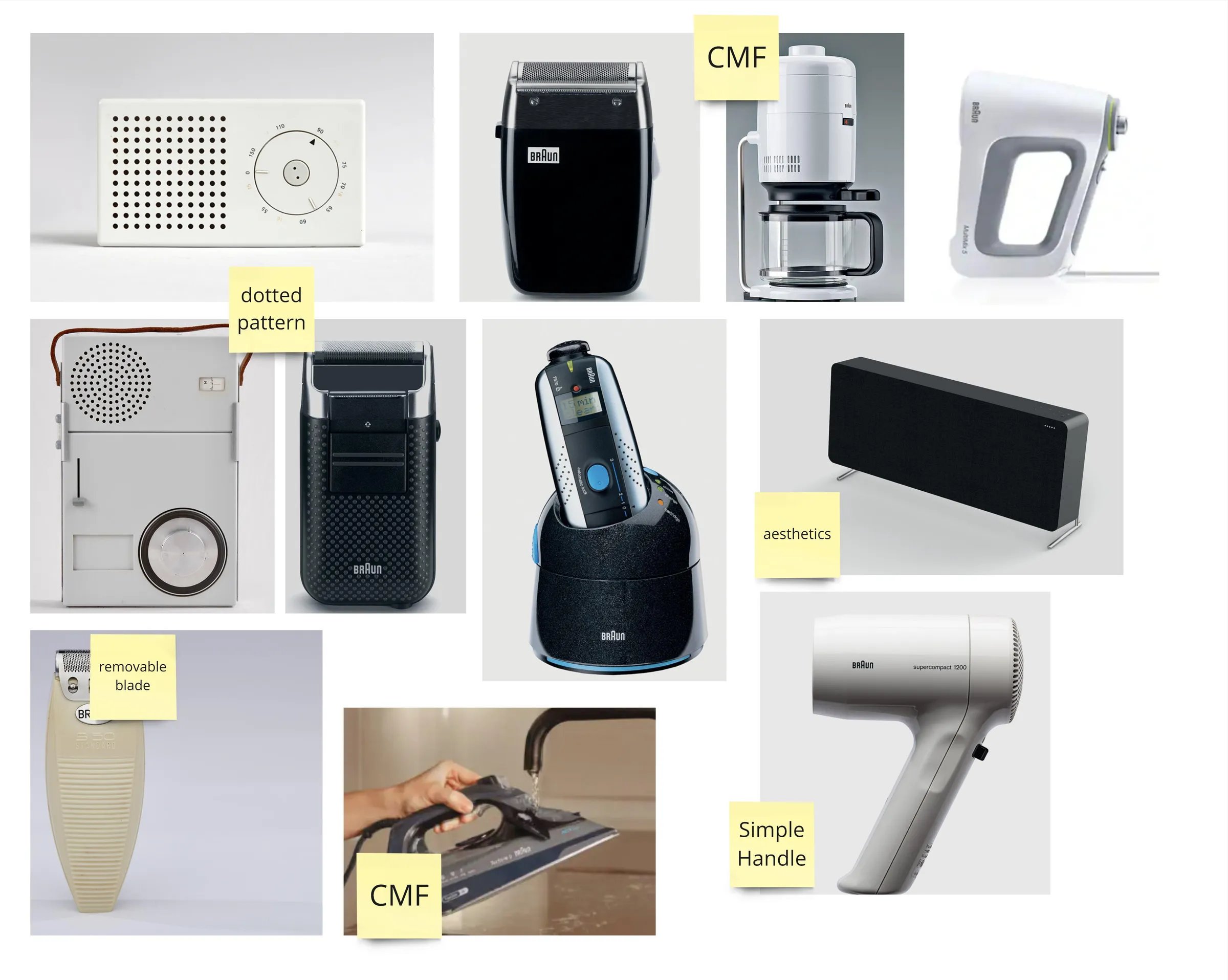
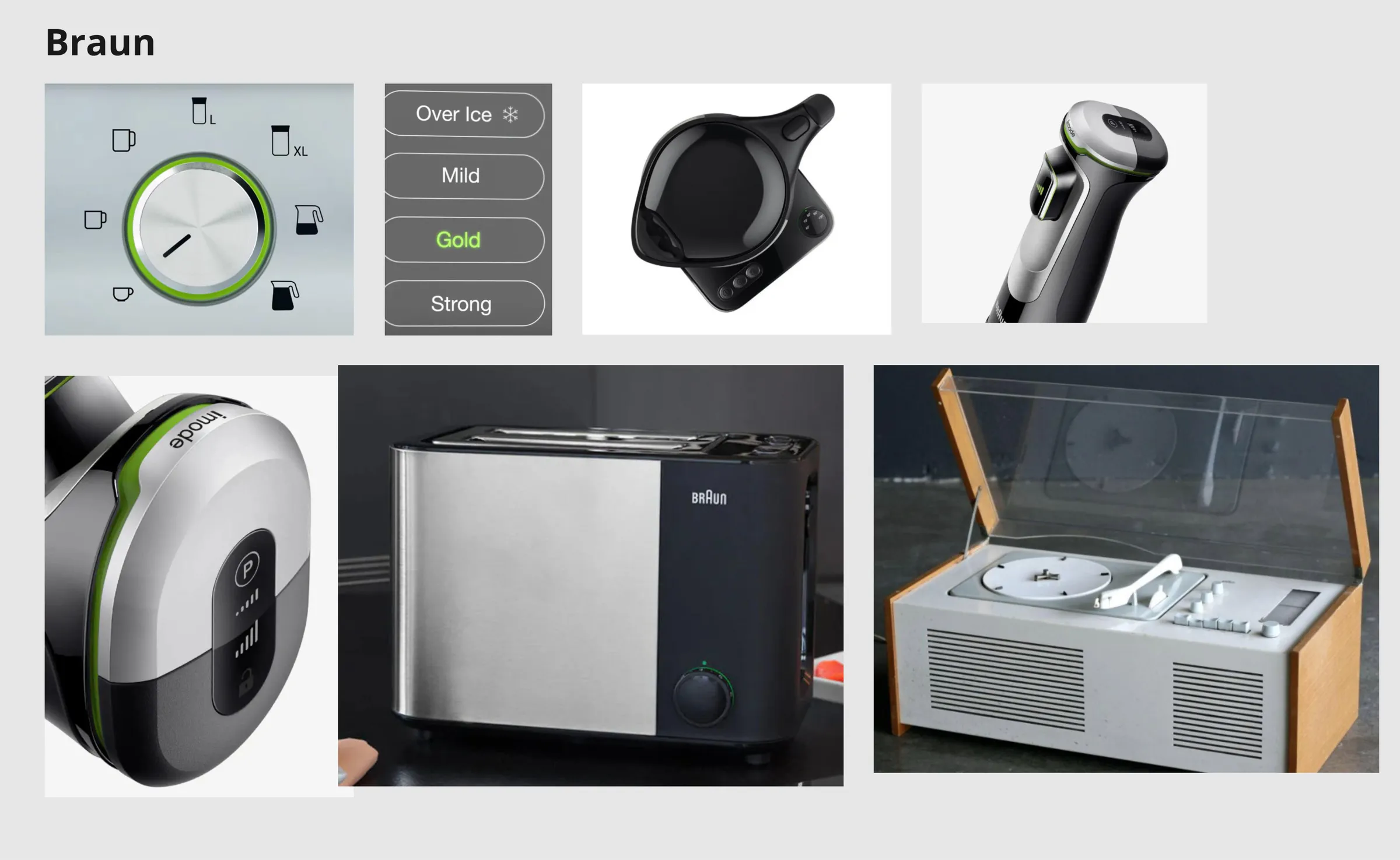
Hard-surface floors like veneer and tile are on the rise. Competitors answered with 2-in-1 mop/vacuum combos, so I set out to design one for Braun that tackles their pain points, guided by a moodboard of Braun's existing products.
09Competitor analysis
Mapping the pain points.
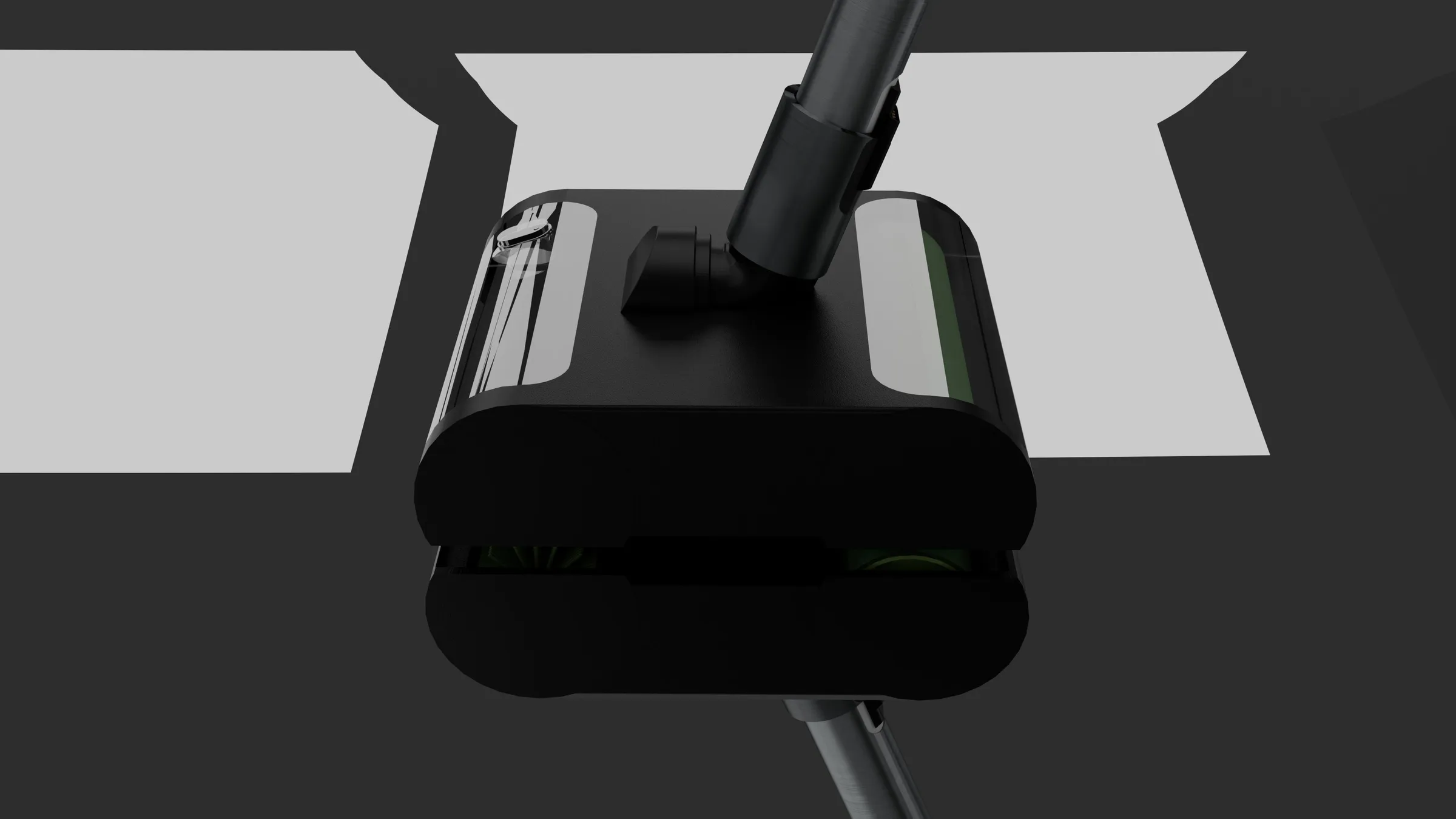
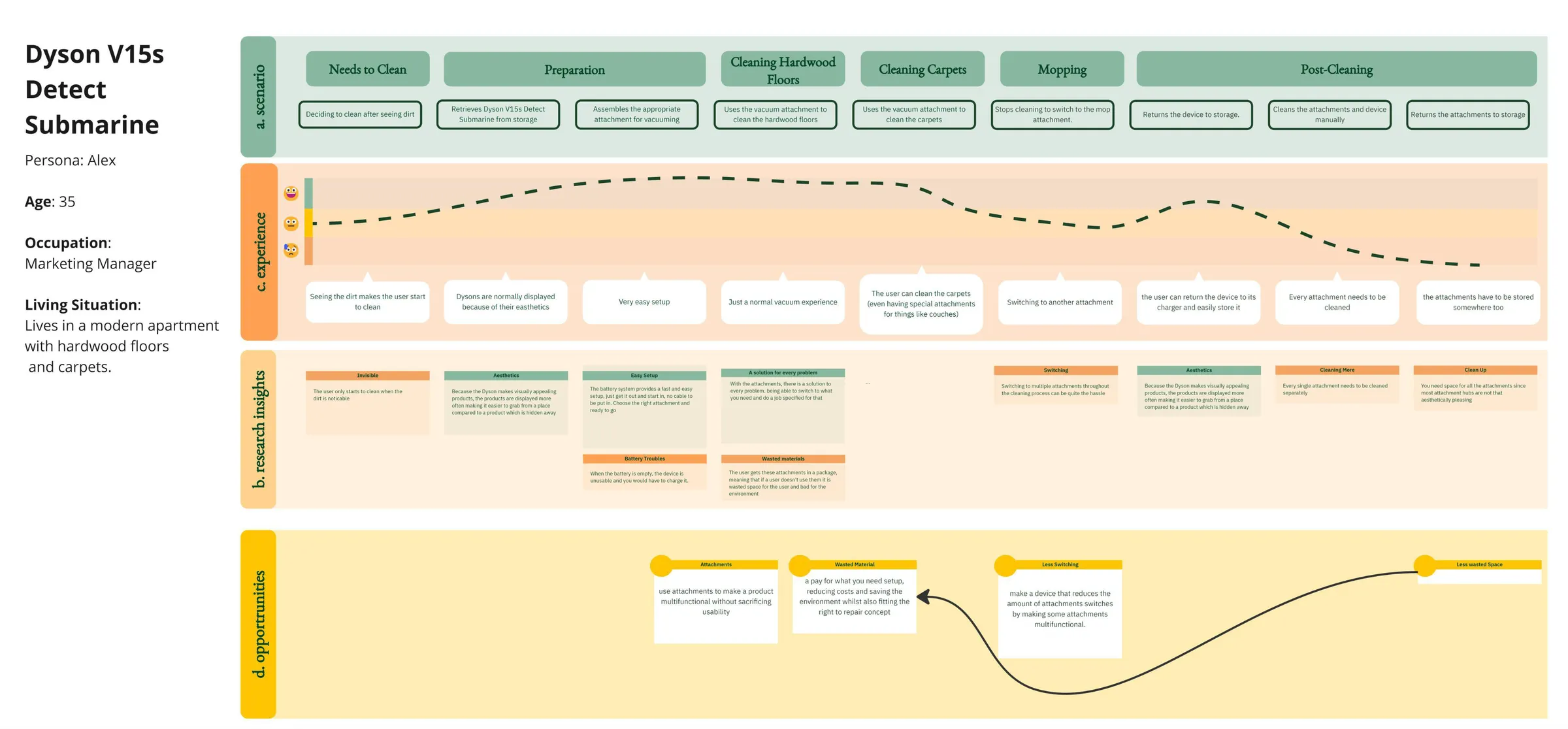
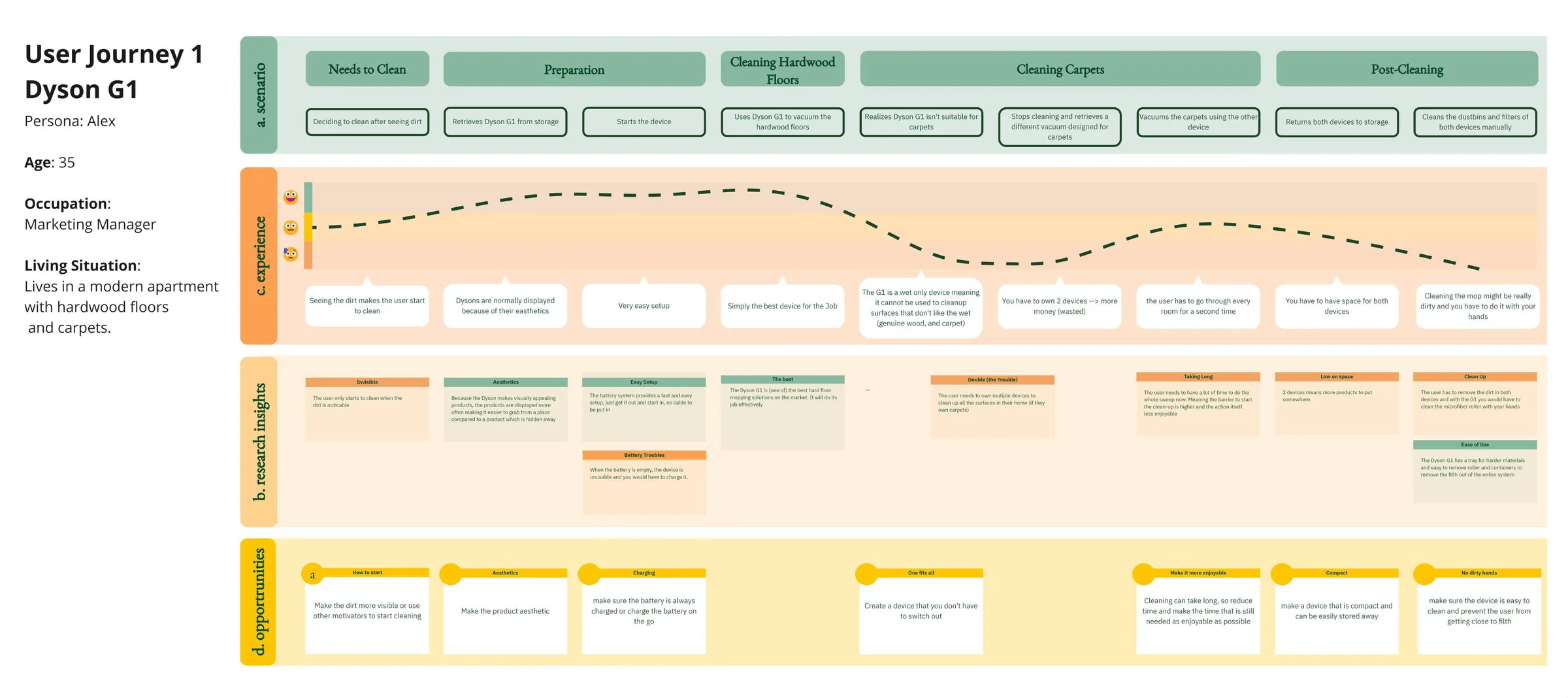
Existing 2-in-1 mop/vacuums fall short on carpet and rely on multiple attachments. User journey maps for the Dyson G1 and V15 showed where a multifunctional product could make cleaning across surfaces simpler.
10Development
Three key features.
Cordless
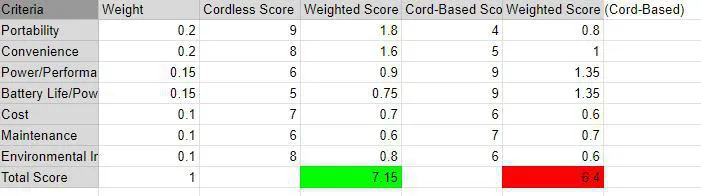
Cord versus cordless was settled with weighted objectives: portability, convenience, power, battery life, cost and maintenance. Cordless won.
Easy attachments
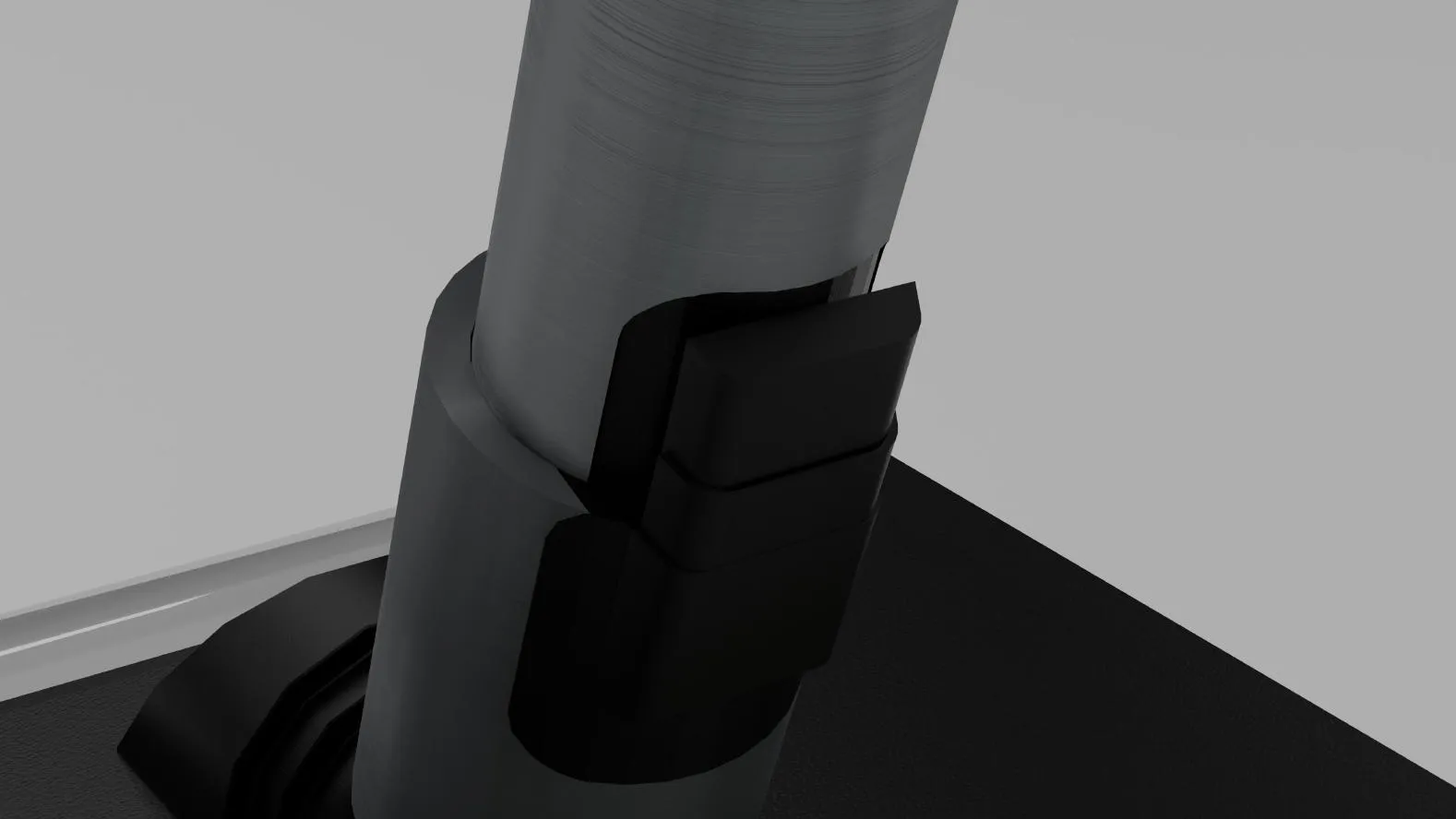
The pin system returns: attachments click on and release with pins, without separate tools.
Carpet safe
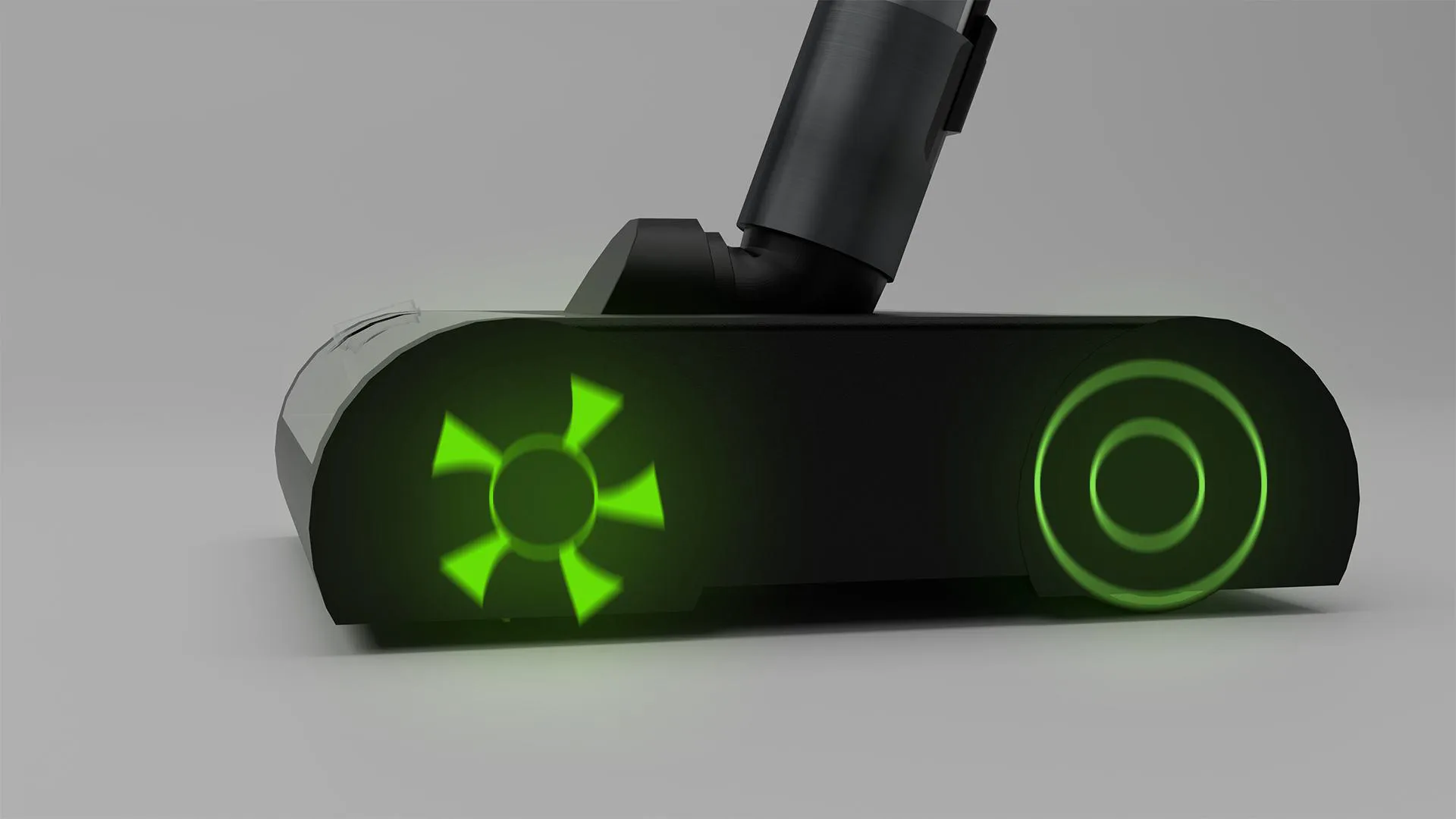
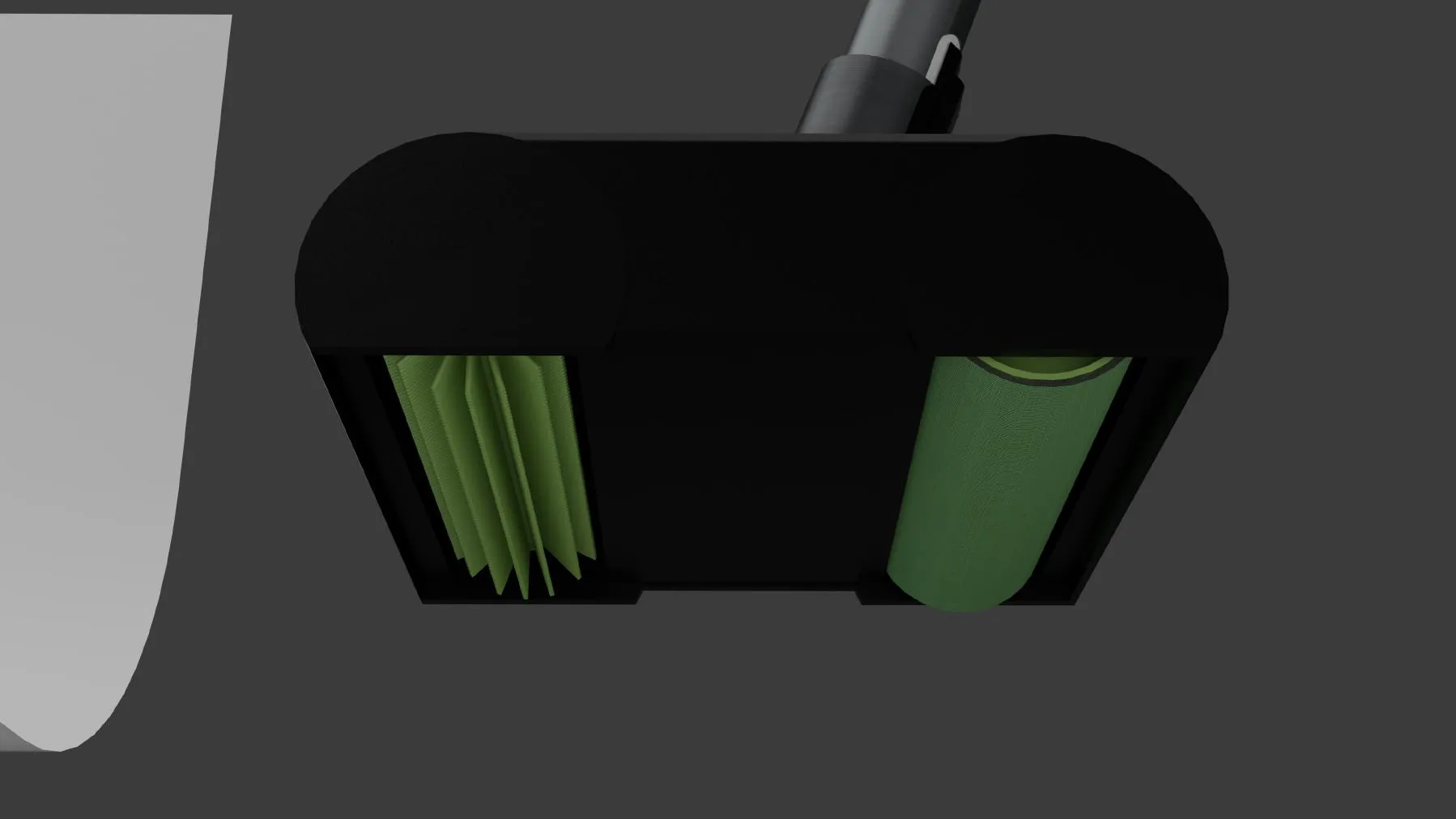
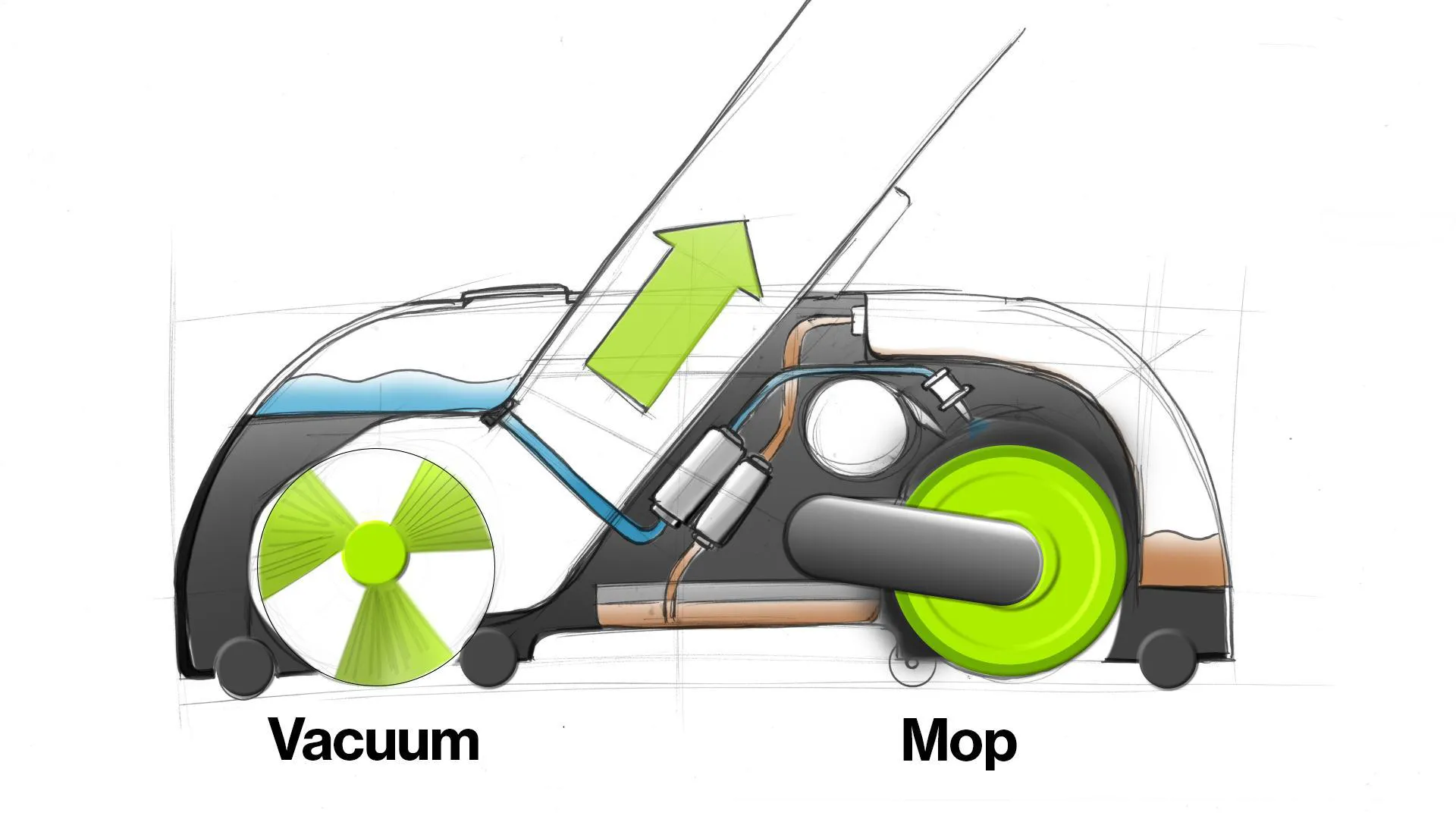
Like some robot vacuums, the mop retracts when the head detects carpet: CarpetSense. One head for hard floors and carpet, no swapping.

11Visual development
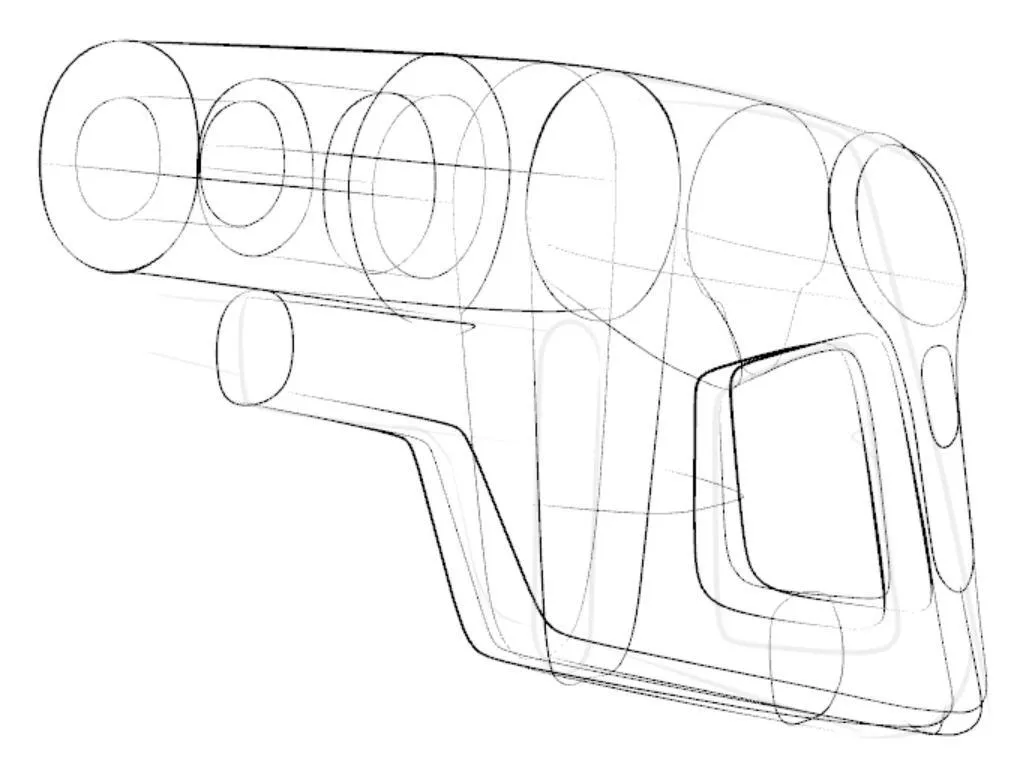
Sketch in 3D, discover in AI.
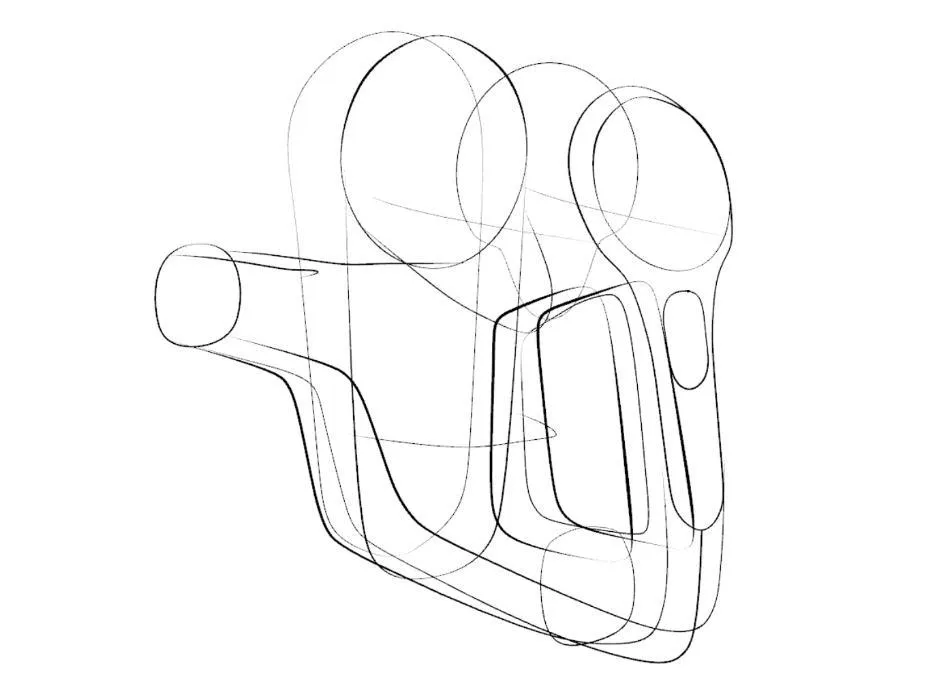
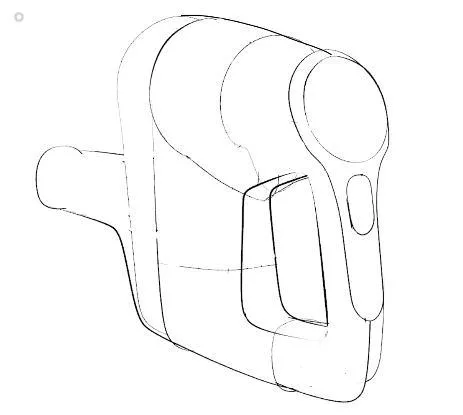
Form was explored with 3D sketches in Gravity Sketch, then pushed with Vizcom for “drawing to discover”, before a final drawing back in Gravity Sketch.
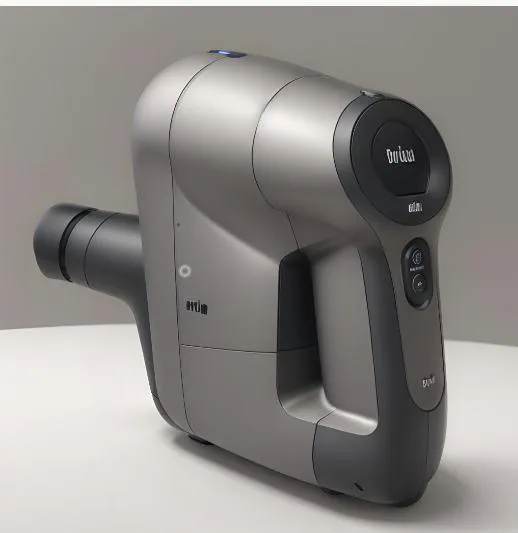
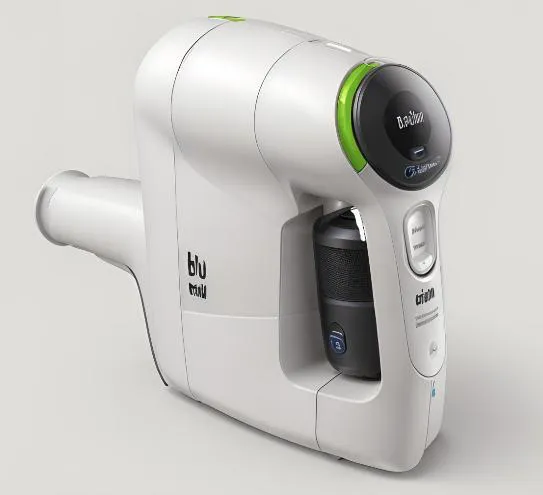
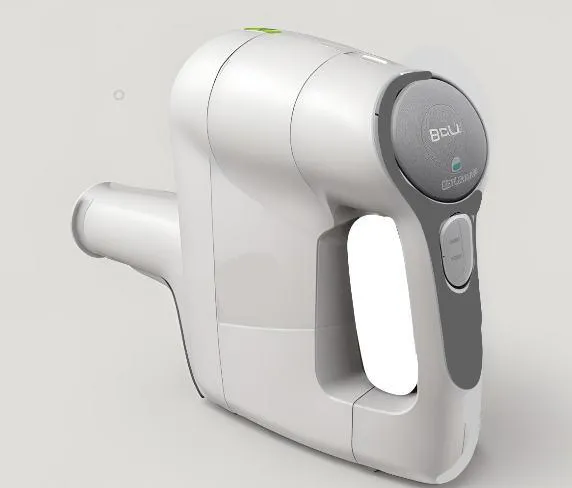
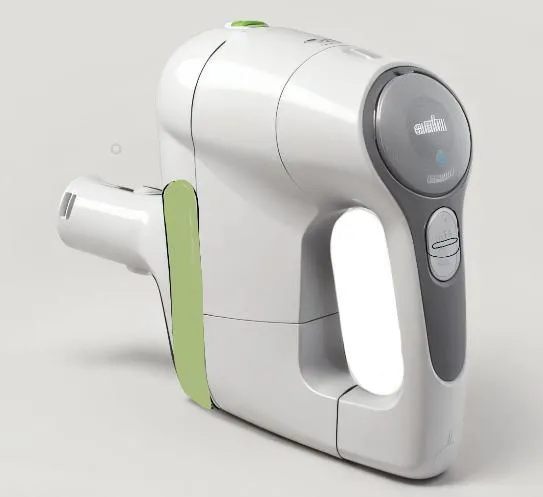
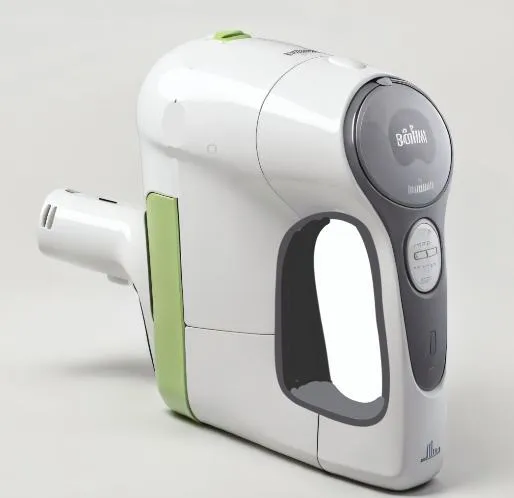
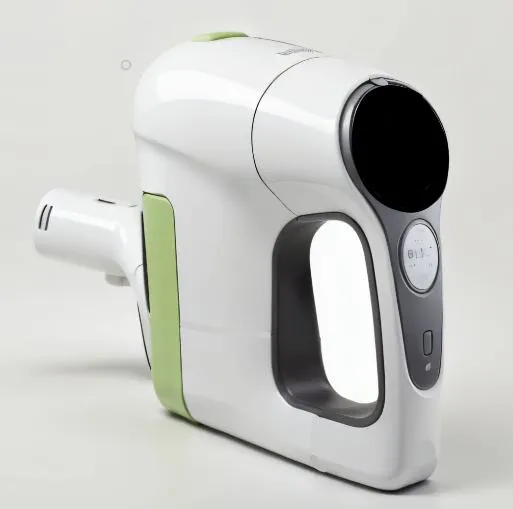
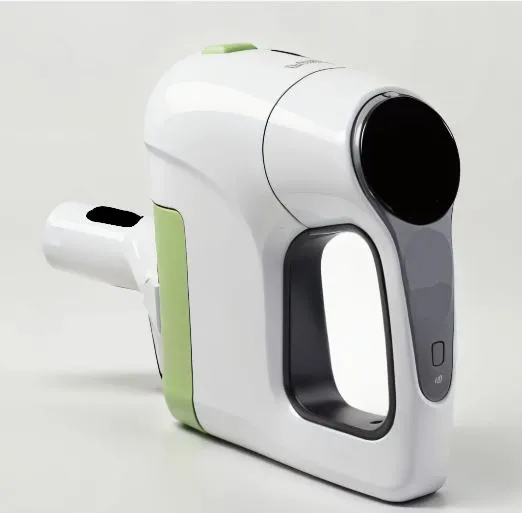
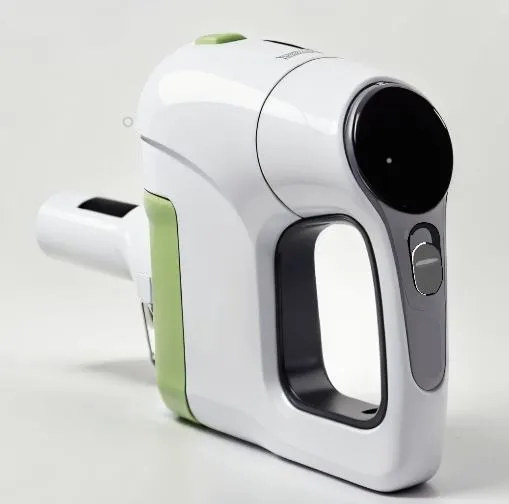
Vizcom variations
12Interface
One dial, every mode.
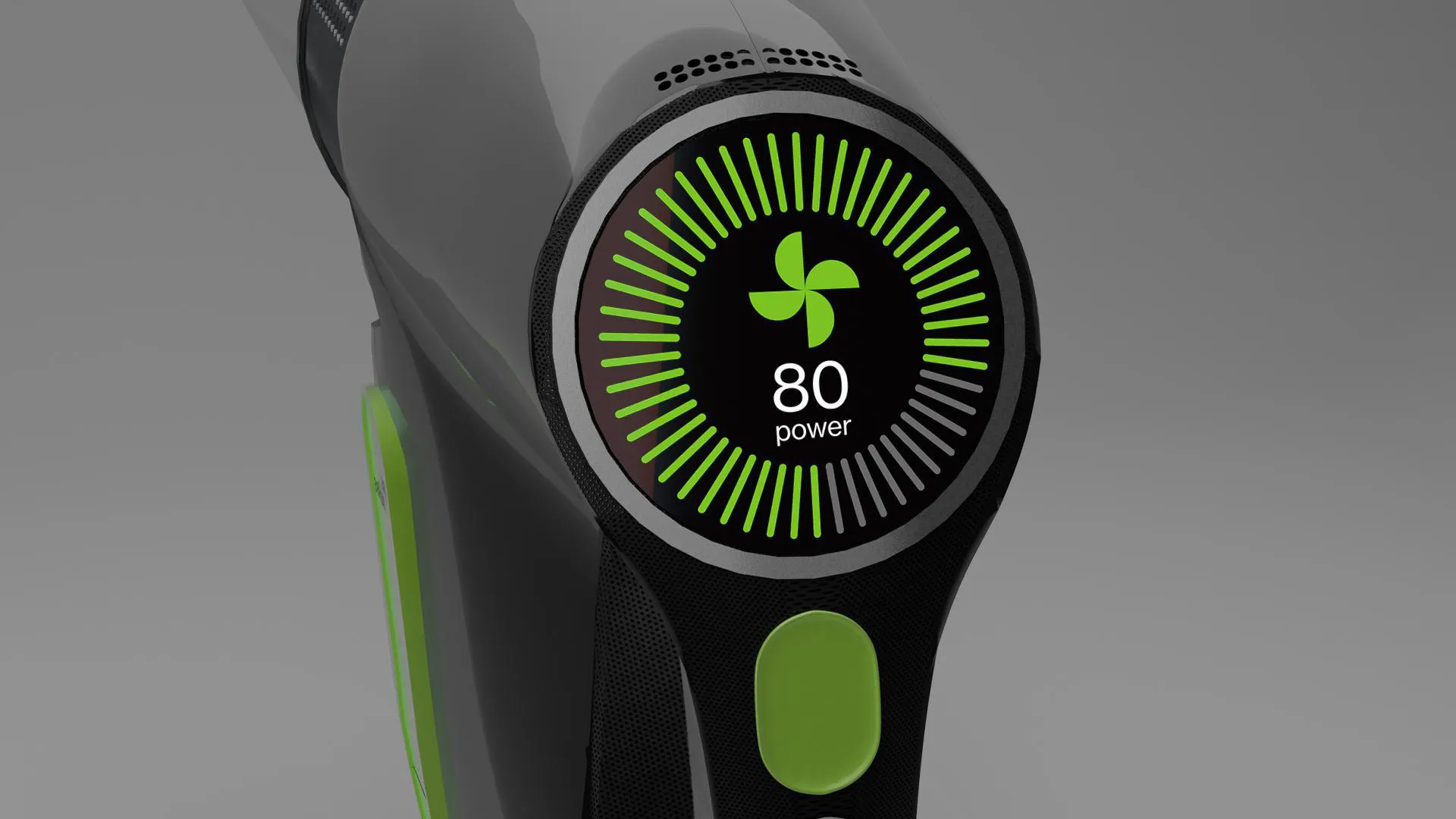
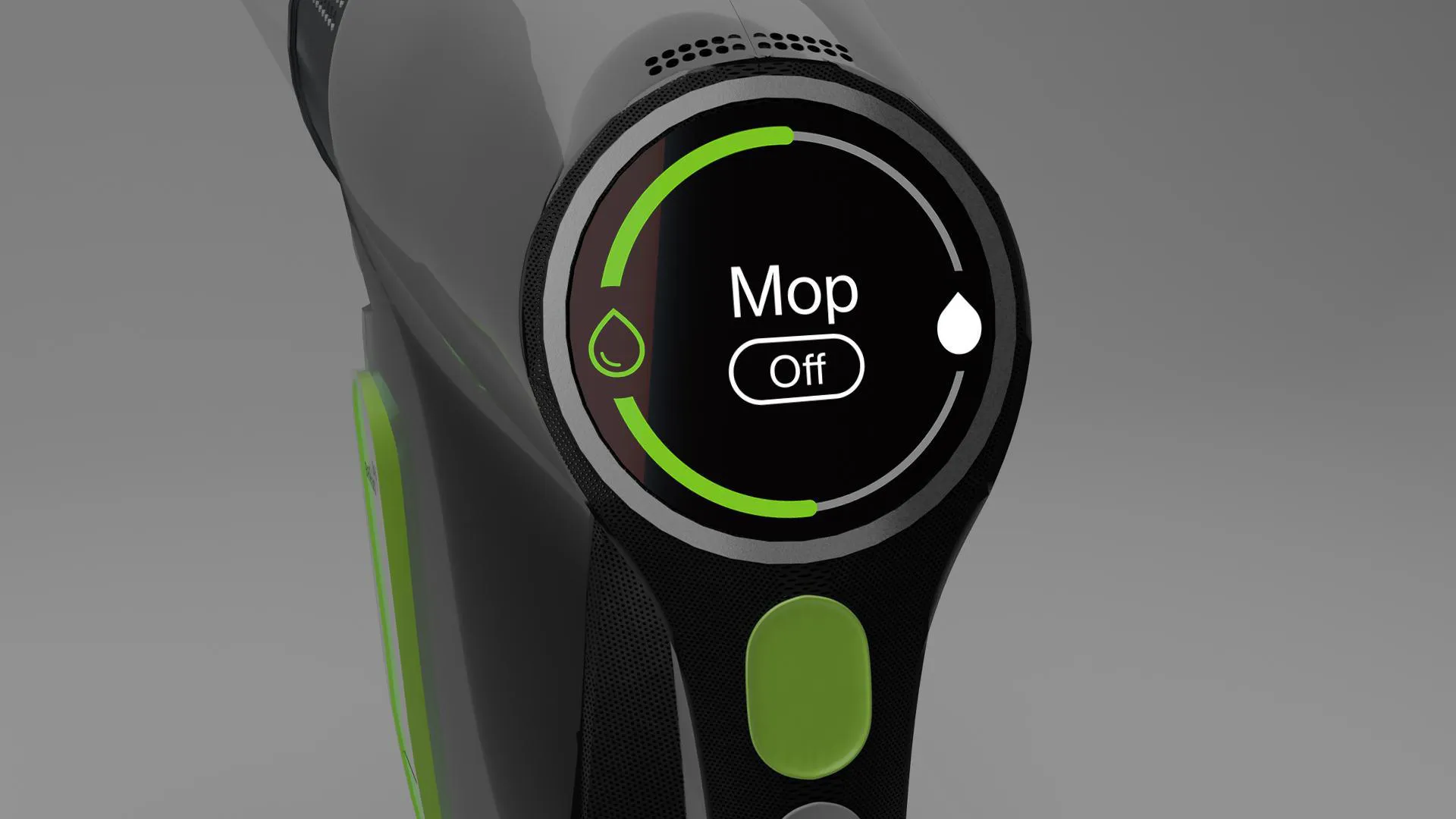
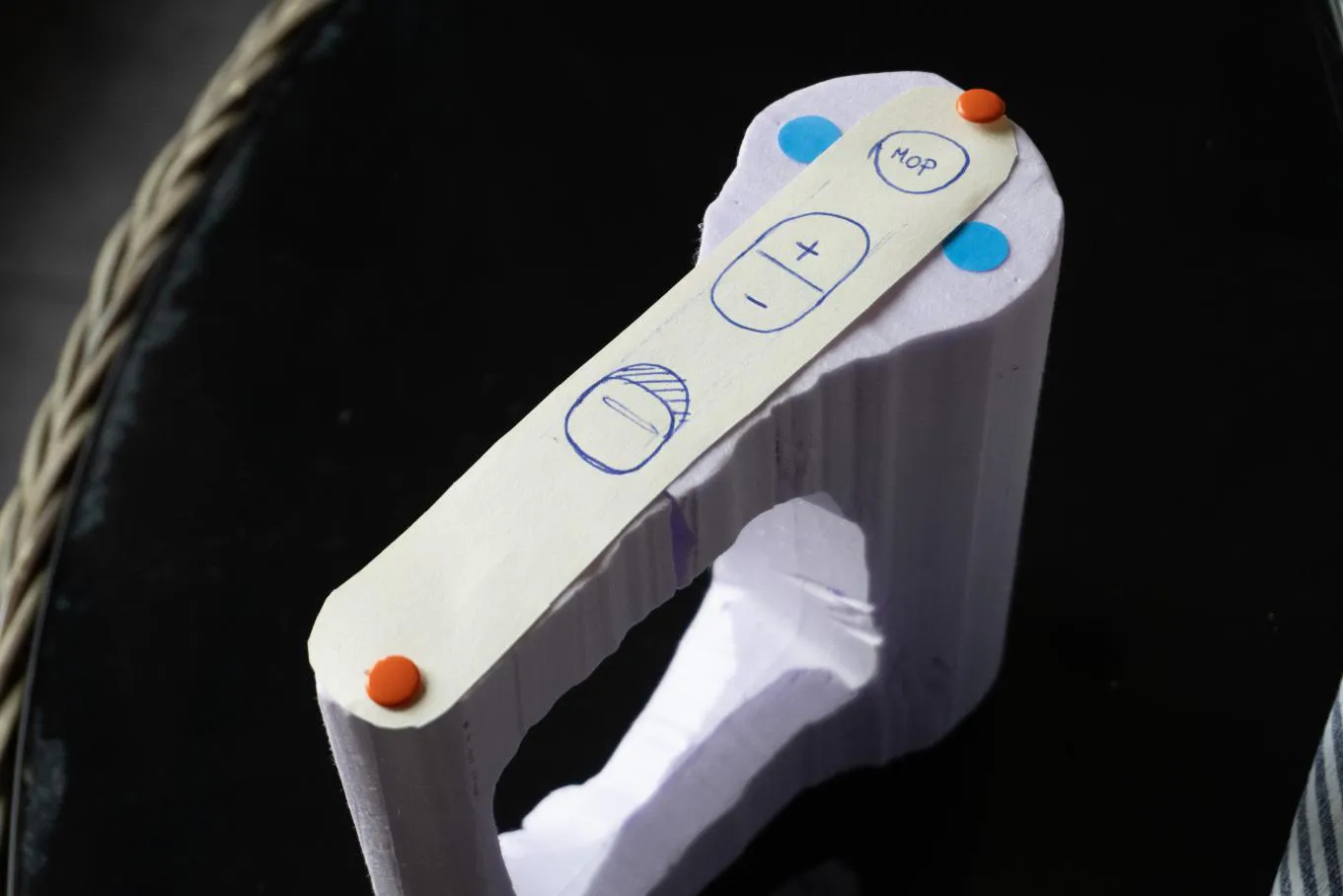
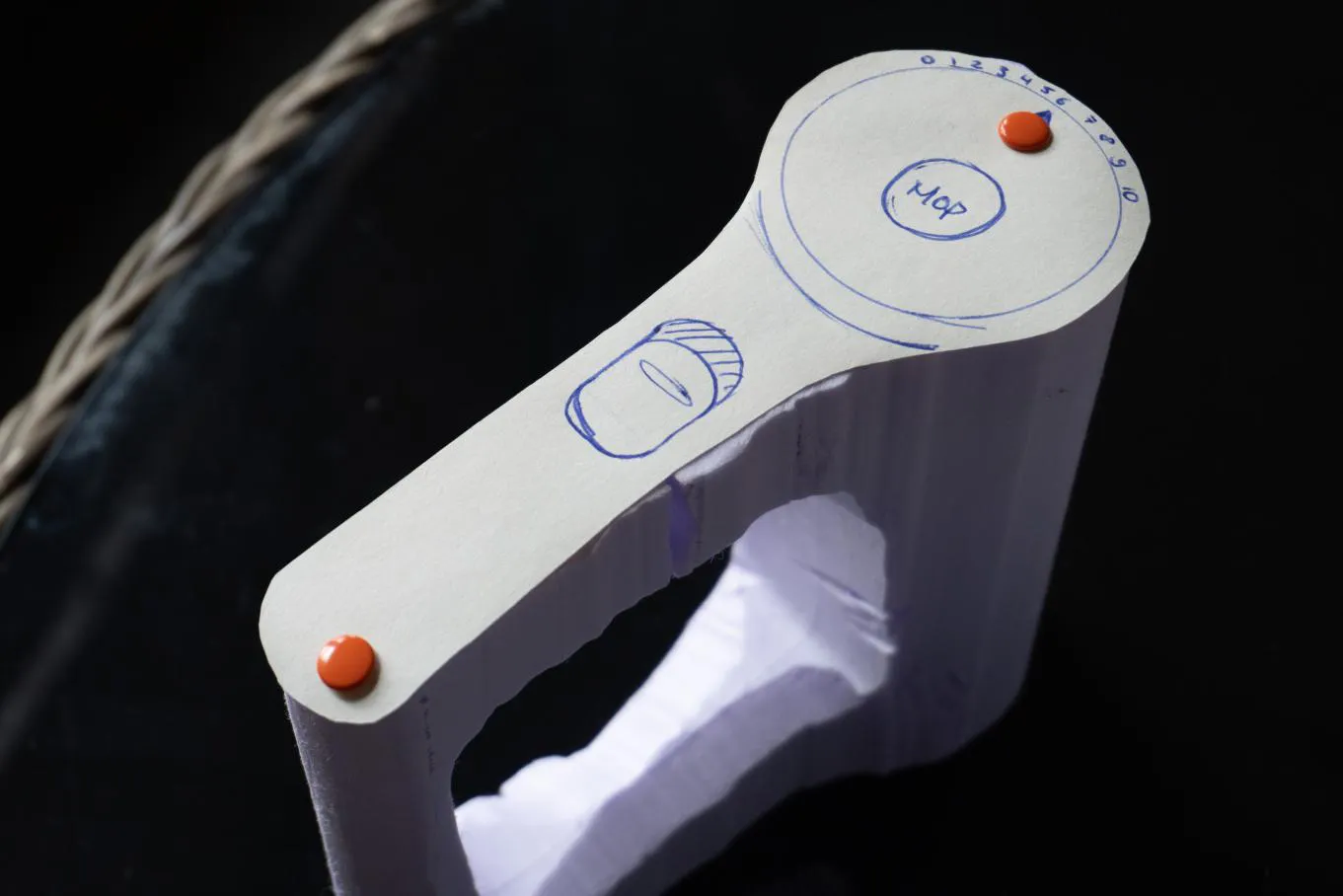
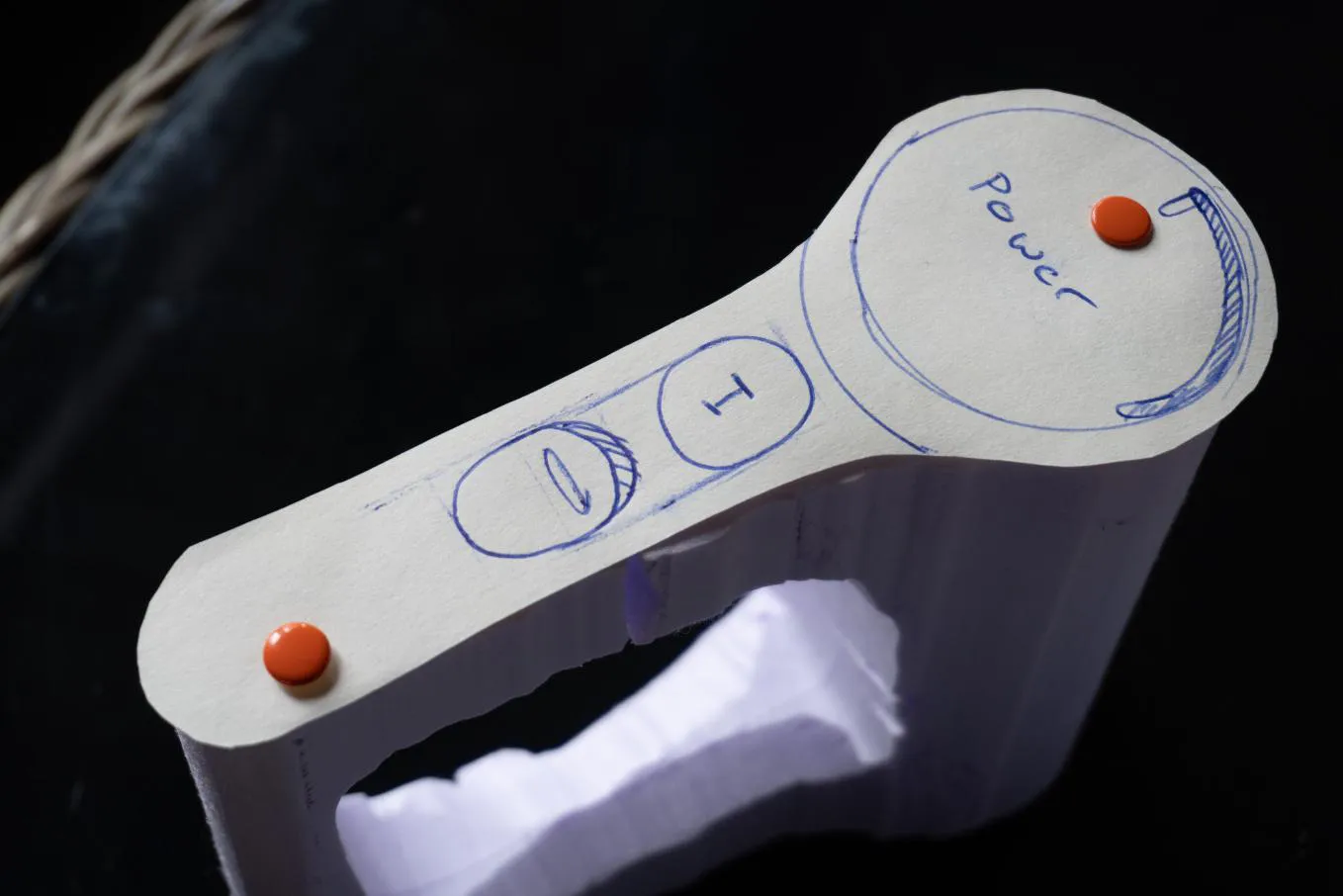
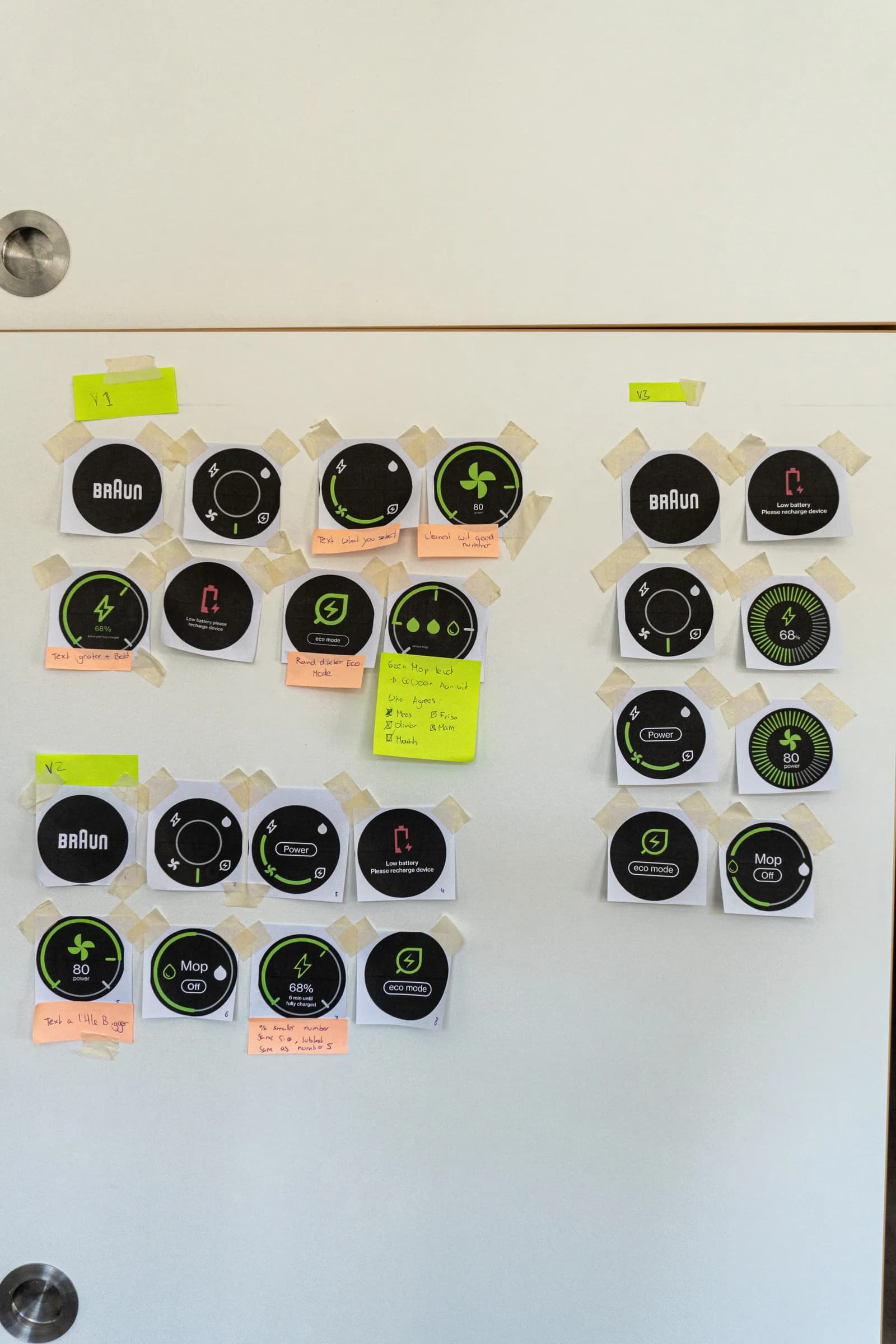
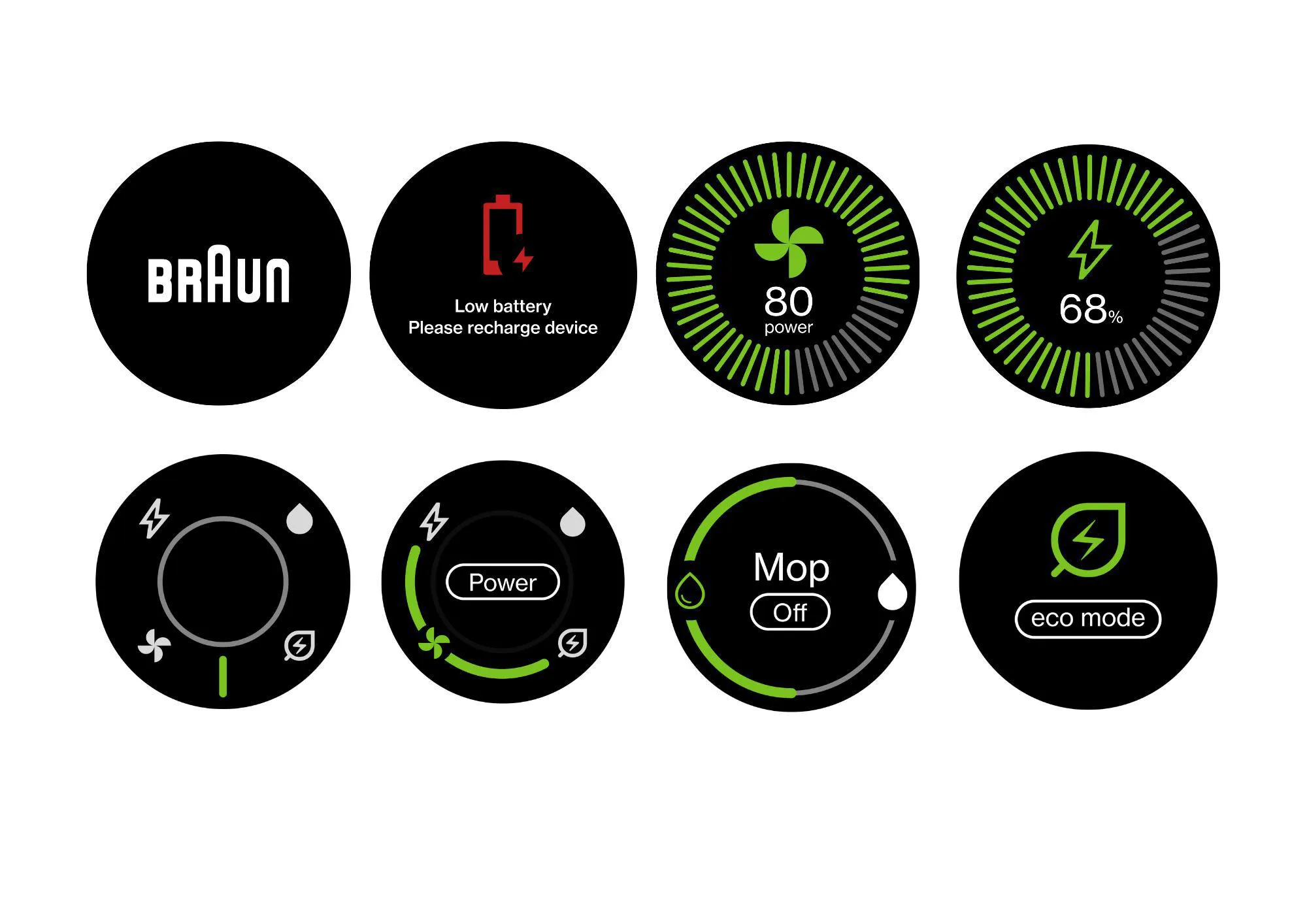
UI prototypes were tested in the hand, then refined on a co-design wall of 1:1-size interfaces against a UX moodboard, arriving at a single round display.
Final UI
A ring of ticks doubles as gauge for power, battery and mop. Try it: switch modes and drag the suction.
13Final design
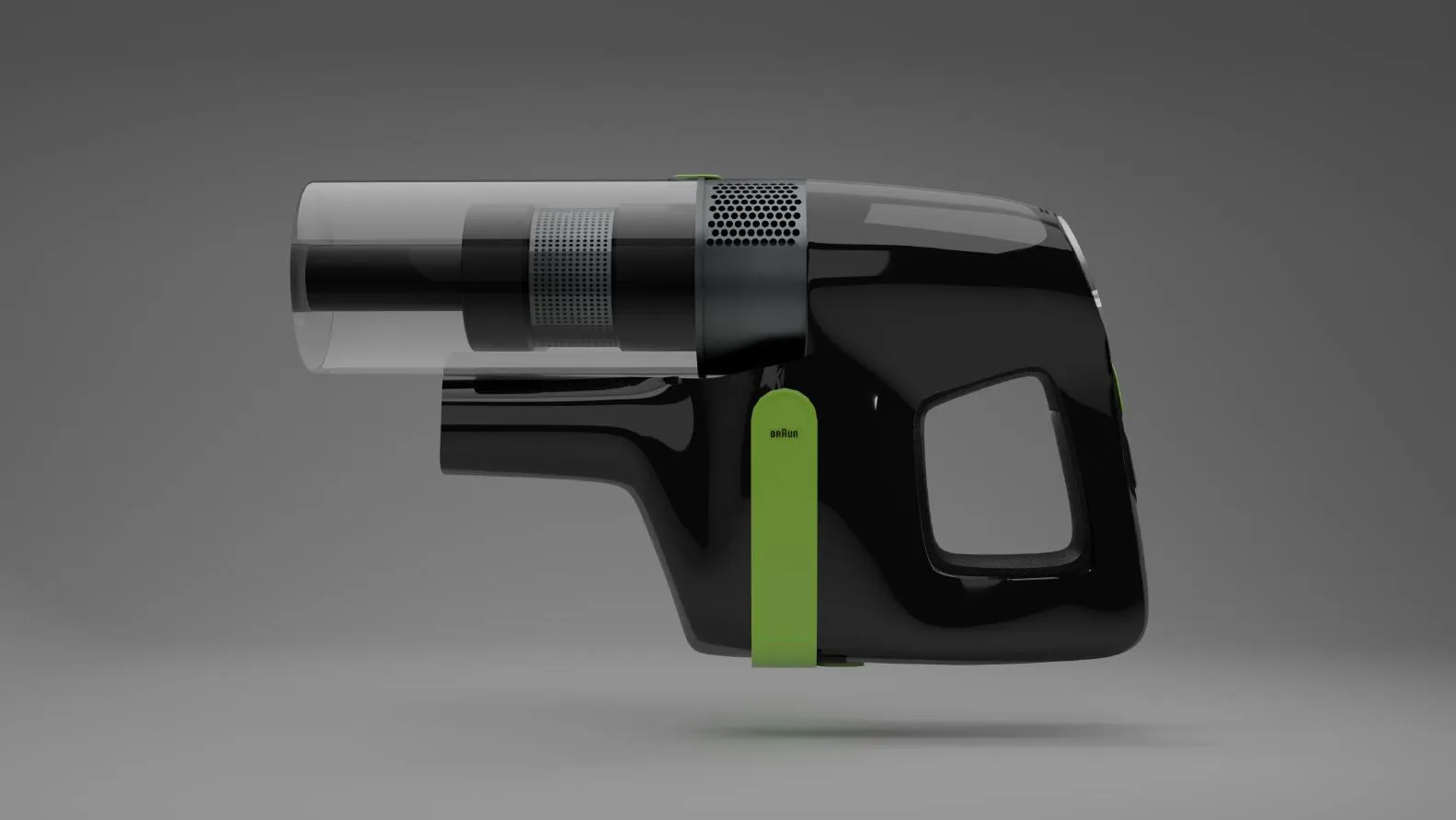
Repairability, hidden in the pattern.
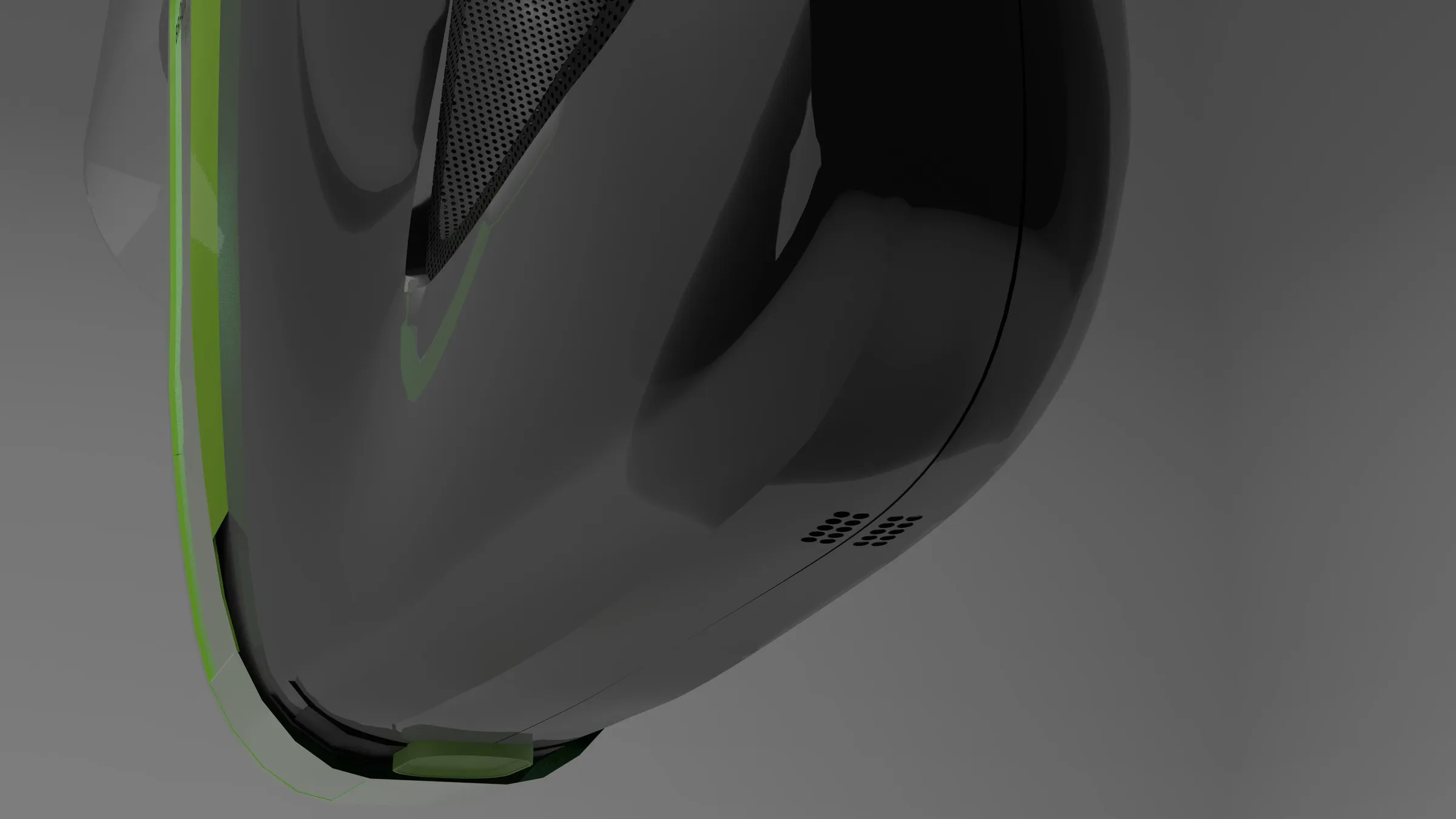
Strategically placed holes throughout the product give easy access for repairs while keeping a clean design.